

Rhinoplasty
Rhinoplasty in Turkey
Rhinoplasty in Turkey may be considered for selected patients who want nasal shape changes, breathing-related correction, or combined aesthetic and functional planning. This page explains consultation, septum, nasal valves, turbinates, skin thickness, cartilage support, open and closed approaches, revision surgery, risks, recovery, records, and cost factors.
What Is Rhinoplasty?
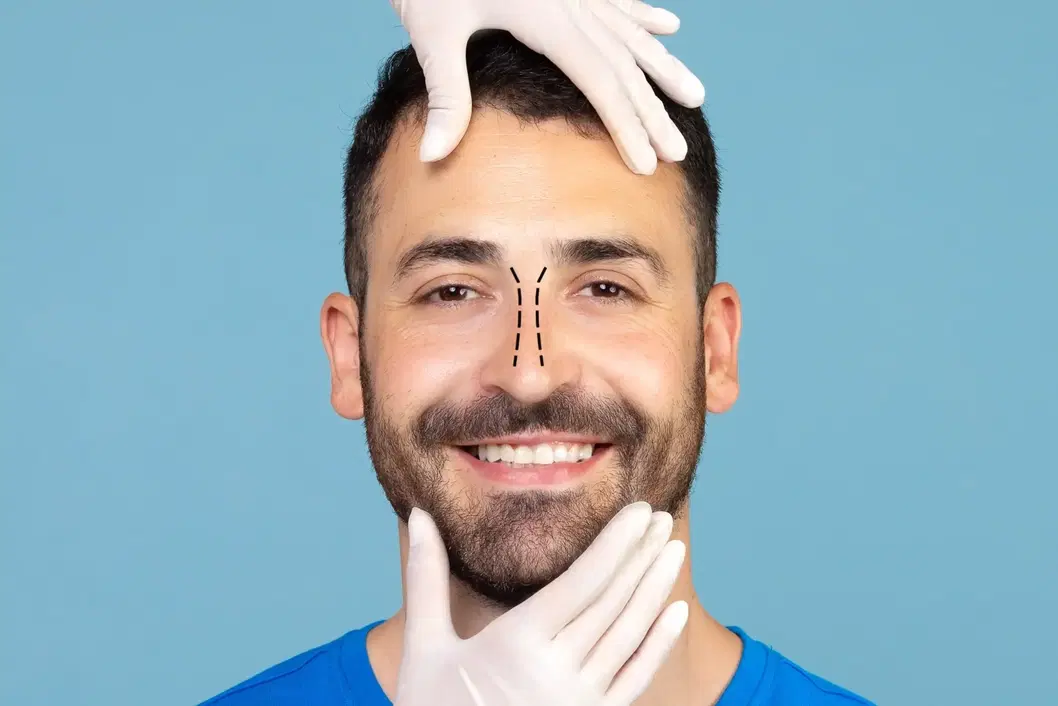
Rhinoplasty is surgery that changes nasal shape, nasal structure, or both when clinically appropriate. It can address the bridge, tip, nostrils, septum-related issues, or post-traumatic deformity. Some patients seek appearance changes. Others need airway evaluation because breathing and nasal structure are connected. Rhinoplasty may involve cartilage reshaping, bone adjustment, grafting, or septal work. It is different from a simple skin procedure. The surgeon must assess facial proportions, nasal support, skin thickness, airway, previous trauma, medicines, and expectations. A clear plan should explain what can change and what limits remain.
Why Should Breathing Be Evaluated Before Rhinoplasty?
Breathing should be evaluated because nasal appearance and nasal airflow can influence each other. A straight-looking nose can still have internal obstruction. A crooked nose can involve septal deviation, turbinate enlargement, nasal valve weakness, or trauma-related changes. Cosmetic changes that reduce support can worsen airflow in selected cases. This point is often missing from competitor pages. The evaluation should include symptoms, physical examination, internal nasal assessment, allergy history, previous surgery, and trauma history. Patients should ask whether the plan is cosmetic, functional, or combined. Shape planning should not ignore nasal airway structure.
Which Questions Should Patients Ask Before Rhinoplasty?
Patients should ask how the planned changes connect appearance, breathing, and long-term nasal support.
Will the septum, turbinates, and nasal valves be evaluated?
Which features can realistically change with my skin and cartilage?
Will cartilage grafts or structural support be needed?
How will swelling, revision risk, and follow-up be managed?
These questions help patients compare medical reasoning, not slogans. A responsible answer should avoid guarantees, pressure, and unsupported transformation claims.
How Do Septum, Turbinates, and Nasal Valves Affect Planning?
Septum, turbinates, and nasal valves affect planning because they shape airflow inside the nose. The septum divides the nasal passages. Turbinates warm and humidify air but can become enlarged. Nasal valves are narrow airflow areas that can collapse or restrict breathing. Septoplasty may be discussed when septal deviation contributes to obstruction. Turbinate treatment may be considered when enlargement matters. Valve support may need cartilage techniques in selected cases. These issues are not solved by bridge reduction alone. Patients should ask which internal structure explains breathing symptoms before combining functional and cosmetic surgery.
Why Do Skin Thickness and Cartilage Strength Matter?
Skin thickness and cartilage strength matter because they influence definition, swelling, and structural support. Thick skin can hide small tip refinements and may swell longer. Thin skin can reveal small irregularities more easily. Weak cartilage may need support to maintain shape and airway function. Strong cartilage may require different reshaping. This is a key missing detail online. A nose cannot be designed only from a reference photo. The surgeon must work with the patient’s anatomy. Realistic planning should consider skin envelope, cartilage quality, facial proportions, healing tendency, and previous procedures.
How Do Open and Closed Rhinoplasty Differ?
Open and closed rhinoplasty differ by incision placement and surgical exposure. Open rhinoplasty uses a small incision across the columella, plus internal incisions. It can give wider visibility for complex tip, revision, or structural work. Closed rhinoplasty uses internal incisions only. It may suit selected cases with more limited exposure needs. Neither method is automatically appropriate for every patient. The decision should depend on anatomy, goals, surgeon assessment, revision history, and functional needs. Patients should ask why one approach is recommended. The label alone does not define quality or outcome.
Which Findings Can Change the Surgical Plan?
Several findings can change the surgical plan before rhinoplasty is scheduled.
Previous nasal surgery can reduce available septal cartilage.
Trauma can change bone, cartilage, septum, and airway symmetry.
Severe allergies or chronic inflammation can affect symptoms and healing.
Unrealistic photo-based expectations may require more counseling before surgery.
These findings do not always prevent surgery. They help define risk, technique, graft needs, timing, and whether non-surgical care should come first.
Why Are Photo Simulation and Reference Images Limited?
Photo simulation and reference images are limited because they cannot predict healing or final anatomy. They can help communication, but they are not a contract for a result. Lighting, angle, facial expression, camera lens, and editing can change how a nose appears. A reference nose may not fit another face, skin type, or cartilage structure. This distinction is often underexplained in marketing content. Patients should use images to explain preferences, not demand exact duplication. The surgeon should explain which requested changes are feasible, uncertain, or not advisable.
When Is Revision Rhinoplasty Discussed?
Revision rhinoplasty is discussed when a previous nose surgery leaves functional or appearance concerns. It can be more complex because scar tissue, altered cartilage, and limited septal cartilage may be present. Some patients need ear or rib cartilage grafting in selected revision cases. Revision planning should include old operative notes, photographs, airway symptoms, and internal nasal examination. Surgery should not be rushed while swelling is still evolving, unless urgent medical issues exist. This topic is frequently simplified online. Patients should ask whether the concern is structural, scar-related, functional, or expectation-related before revision planning.
What Risks and Limits Should Be Discussed?
Risks and limits should be discussed because rhinoplasty can affect appearance, breathing, sensation, and comfort. Possible concerns include bleeding, infection, swelling, scarring, numbness, asymmetry, septal perforation, breathing difficulty, skin problems, smell changes, dissatisfaction, or need for further surgery. Anesthesia and medical conditions also matter. Risk varies by anatomy, smoking, previous surgery, trauma, medicines, skin thickness, and healing response. Patients should ask which risks apply to their case. They should also ask which symptoms require urgent contact after discharge. Consent should include alternatives, uncertainty, and realistic expectations.
How Should Recovery and Follow-Up Be Planned?
Recovery and follow-up should be planned because swelling and healing continue after early bruising improves. Patients may have a splint, internal support, tapes, or prescribed medicines. They may need limits on nose blowing, glasses pressure, exercise, swimming, sun exposure, and contact sports. Swelling can hide the final shape for a long period. Breathing can also fluctuate during healing. International patients should confirm early postoperative checks before return travel. They should also know who handles bleeding, fever, wound problems, trauma, or breathing concerns after returning home. Written instructions reduce avoidable confusion.
What Records Should International Patients Prepare?
International patients should prepare medical and nasal records before rhinoplasty in Turkey. Useful files include previous operation notes, old photographs, CT reports when available, allergy history, breathing test results, medicine lists, and trauma records. Patients should disclose smoking, blood thinners, bleeding disorders, skin treatments, fillers, and previous nasal injections. They should describe breathing symptoms by side, season, exercise, sleep, and allergy triggers. Translated summaries can reduce delays. Complete records help the surgeon assess airway, graft options, scar risk, and revision complexity. A photo request alone is not enough for planning.
Which Turkey-Specific Health Tourism Rules Matter?
Turkey-specific health tourism rules require rhinoplasty information to stay factual, transparent, and non-misleading. Health service promotion should not create demand through guarantees, superiority claims, pressure, or unsupported outcome statements. International health tourism services also involve authorization rules for healthcare facilities and intermediary organizations. Patients may ask whether the provider is authorized for international health tourism. They should request clear information about surgeon evaluation, procedure scope, consent, interpreter support, privacy, records, postoperative care, and follow-up communication. This page avoids price promises, comparative savings language, success claims, and unsupported surgeon or clinic superiority statements.
What Should Patients Know About Rhinoplasty in Turkey Cost 2026?
Rhinoplasty in Turkey Cost 2026 can vary by patient needs, surgical complexity, functional work, and follow-up planning. A responsible cost explanation should not use cheapness claims, savings comparisons, or pressure language. The final amount may depend on consultation, imaging when needed, primary or revision surgery, septoplasty, turbinate treatment, graft materials, anesthesia, hospital pathway, medicines, splints, translation, and postoperative visits. Patients should request written, patient-specific information before travel or booking. Prices should not be presented as a reason to choose surgery. Medical suitability, airway assessment, risk discussion, and realistic expectations should come first.
References
American Society of Plastic Surgeons — Rhinoplasty: https://www.plasticsurgery.org/cosmetic-procedures/rhinoplasty
American Society of Plastic Surgeons — Rhinoplasty Candidates: https://www.plasticsurgery.org/cosmetic-procedures/rhinoplasty/candidates
American Society of Plastic Surgeons — Rhinoplasty Preparation: https://www.plasticsurgery.org/cosmetic-procedures/rhinoplasty/preparation
American Society of Plastic Surgeons — Rhinoplasty Risks and Safety: https://www.plasticsurgery.org/cosmetic-procedures/rhinoplasty/safety
American Society of Plastic Surgeons — Rhinoplasty Questions: https://www.plasticsurgery.org/cosmetic-procedures/rhinoplasty/questions
Cleveland Clinic — Rhinoplasty: https://my.clevelandclinic.org/health/treatments/11011-rhinoplasty
Cleveland Clinic — Septoplasty: https://my.clevelandclinic.org/health/treatments/17779-septoplasty
American Society of Ophthalmic Plastic and Reconstructive Surgery — Rhinoplasty: https://www.asoprs.org/rhinoplasty
T.C. Sağlık Bakanlığı — Regulation on International Health Tourism and Tourist Health: https://shgmturizmdb.saglik.gov.tr/EN-108974/regulation-on-international-health-tourism-and-tourist-health.html
T.C. Sağlık Bakanlığı — Health Tourism Regulations: https://shgmturizmdb.saglik.gov.tr/EN-107627/regulations.html
T.C. Sağlık Bakanlığı — Certified Healthcare Providers and Certified Facilitators: https://healthturkiye.gov.tr/certificated-health-service-providers
T.C. Sağlık Bakanlığı — Sağlık Hizmetlerinde Tanıtım ve Bilgilendirme Faaliyetleri Hakkında Yönetmelik: https://www.lexpera.com.tr/resmi-gazete/metin/saglik-hizmetlerinde-tanitim-ve-bilgilendirme-faaliyetleri-hakkinda-yonetmelik-33075
Rhinoplasty Sub Specialties
Tip Rhinoplasty
Learn how Tip Rhinoplasty in Turkey is evaluated, why tip support, skin thickness, nasal valves and realistic expectations matter, and what affects 2026 cost.
DetailsPiezo Rhinoplasty
Learn how Piezo Rhinoplasty in Turkey is evaluated, what ultrasonic bone work can and cannot do, why airway planning matters, and what affects 2026 cost.
DetailsEthnic Rhinoplasty
Learn how Ethnic Rhinoplasty in Turkey is evaluated, why identity, skin thickness, cartilage support, airway planning and realistic expectations matter, and what affects 2026 cost.
DetailsSeptorhinoplasty
Learn how Septorhinoplasty in Turkey is evaluated, why septum, nasal valve, turbinates, airway and realistic expectations matter, and what affects 2026 cost.
DetailsFunctional Rhinoplasty
Learn how Functional Rhinoplasty in Turkey is evaluated, why nasal valve, septum, turbinates and airway planning matter, and what affects 2026 cost.
DetailsRevision Rhinoplasty
Learn how Revision Rhinoplasty in Turkey is evaluated, why scar tissue, grafts, airway checks and realistic expectations matter, and what affects 2026 cost.
Details