

Functional Rhinoplasty
Functional Rhinoplasty in Turkey
Functional Rhinoplasty in Turkey may be considered when nasal obstruction relates to structural problems, such as septal deviation, nasal valve weakness, turbinate enlargement, trauma, or previous surgery. This page explains airway evaluation, internal examination, nasal valves, septum, turbinates, grafts, allergy overlap, imaging limits, risks, recovery, records, and cost factors.
What Is Functional Rhinoplasty?
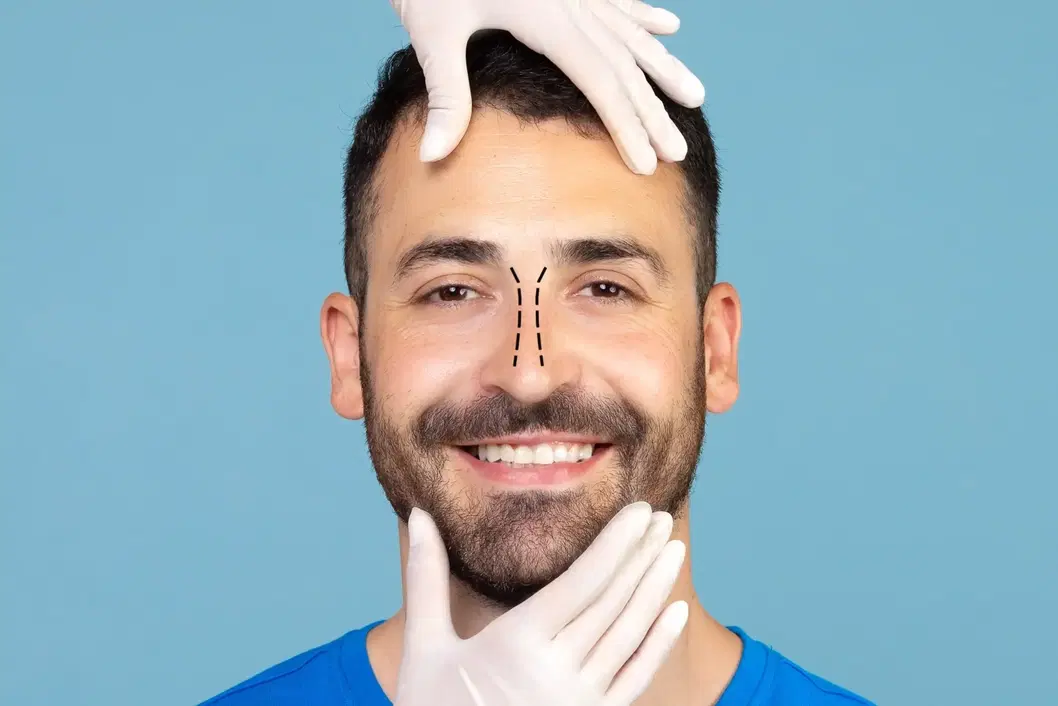
Functional rhinoplasty is surgery that aims to improve nasal airflow by correcting structural airway problems. It may address nasal valve collapse, septal deviation, weak cartilage support, trauma-related deformity, or combined cosmetic-functional concerns. Unlike purely aesthetic rhinoplasty, the main discussion starts with breathing. However, nasal form and function often overlap. Changing support in one area can affect airflow elsewhere. The surgeon must evaluate the inside and outside of the nose. A clear plan should explain which structure causes obstruction, what surgery may change, what non-surgical care remains relevant, and what limits apply.
Why Is Functional Rhinoplasty Different From Septoplasty?
Functional rhinoplasty differs from septoplasty because it can address nasal framework and valve support, not only the septum. Septoplasty focuses on correcting a deviated nasal septum. Functional rhinoplasty may include septal work, but it can also rebuild weakened sidewalls, nostril support, or middle vault structure. Nasal valve dysfunction may not improve with septoplasty alone when valve collapse drives obstruction. This detail is often missing from competitor pages. Patients should ask whether their obstruction comes from the septum, turbinates, valves, allergies, scarring, or multiple causes. The operation should match the actual airway problem.
Which Symptoms Suggest a Functional Nasal Problem?
Persistent blocked breathing, side-specific obstruction, or collapse during inspiration can suggest a functional nasal problem.
One-sided or alternating blockage may relate to septum, turbinates, or nasal cycle.
Breathing that worsens during exercise can suggest valve weakness in selected cases.
Improvement when pulling the cheek sideways may suggest valve-related obstruction.
Prior trauma or rhinoplasty can change cartilage support and airflow.
These symptoms do not prove a surgical indication. They help the surgeon decide which examination, medical treatment, or structural correction deserves discussion.
How Is Nasal Airway Obstruction Evaluated?
Nasal airway obstruction is evaluated by combining symptoms, physical examination, and internal nasal assessment. The surgeon may examine the septum, turbinates, nasal valves, mucosa, scars, and external nasal support. Nasal endoscopy can improve visualization in selected patients. Allergy symptoms, sinus complaints, sleep issues, trauma history, and previous surgery also matter. Questionnaires such as NOSE or SNOT-22 may help document symptom burden, but they do not replace examination. Imaging is not always required. The key is matching the patient’s breathing complaint with visible or functional anatomical findings.
Why Do Nasal Valves Matter So Much?
Nasal valves matter because they are narrow airflow zones that can strongly affect breathing comfort. The internal nasal valve sits near the septum and upper lateral cartilage. The external valve involves the nostril rim, alar cartilage, and sidewall support. Weakness, collapse, over-resection, trauma, aging, or previous surgery can affect these areas. Septoplasty and turbinate treatment may help other causes, but they do not directly repair every valve problem. This is a key missing detail online. Patients should ask whether valve compromise is present and how it will be supported if surgery is planned.
How Do Septum and Turbinates Affect Functional Rhinoplasty?
The septum and turbinates affect functional rhinoplasty because they shape internal airflow space. The septum divides the nasal passages and can bend after growth, trauma, or previous surgery. Turbinates are normal structures that warm and humidify air. They can enlarge with allergy, irritation, inflammation, or anatomy. Surgery may include septoplasty or turbinate reduction when clinically indicated. However, reducing turbinates without understanding mucosal disease can miss the cause. Correcting the septum without treating valve weakness can also leave obstruction. A combined plan should explain each structure’s role in the patient’s symptoms.
Which Questions Should Patients Ask Before Surgery?
Patients should ask how each proposed surgical step addresses a documented airway finding.
Is my obstruction caused by septum, turbinates, nasal valve, scarring, or inflammation?
Will nasal endoscopy or imaging change the treatment plan?
Will cartilage grafts, spreader grafts, or alar support be discussed?
How will breathing, swelling, and follow-up be assessed after surgery?
These questions help patients compare clinical reasoning, not package language. A responsible answer should avoid guarantees, pressure, and unsupported outcome claims.
When Are Allergy or Medical Treatments Considered First?
Allergy or medical treatment is considered first when inflammation contributes to nasal blockage. Allergic rhinitis, chronic irritation, sinus inflammation, medication overuse, and mucosal swelling can mimic structural obstruction. Nasal steroid sprays, saline rinses, antihistamines, allergy management, or other medical steps may help selected patients. Surgery cannot remove every inflammatory trigger. It also cannot guarantee comfortable breathing if untreated mucosal disease remains active. This nuance is often absent from promotional pages. Patients should ask whether symptoms are structural, inflammatory, or mixed. The best surgical plan can still need medical treatment before or after surgery.
How Do Cartilage Grafts Support the Airway?
Cartilage grafts support the airway by reinforcing weak or narrowed nasal structures. Spreader grafts can support the middle vault and internal valve area in selected cases. Alar batten grafts or rim grafts may support external valve or nostril sidewall weakness. Septal cartilage is often useful, but previous surgery can reduce availability. Ear or rib cartilage may be discussed when stronger or additional support is needed. Grafts are not decorative extras. They should answer a structural problem. Patients should ask where graft material may come from and what donor-site considerations apply.
Is Functional Rhinoplasty Always Open Surgery?
Functional rhinoplasty is not always open surgery because the approach depends on anatomy and surgical goals. Open rhinoplasty provides broad exposure through a small columellar incision plus internal incisions. Closed approaches use internal incisions and may fit selected cases. Complex valve repair, revision surgery, trauma, or major grafting may influence approach choice. The label should not be treated as a quality ranking. A closed operation can be appropriate for one patient. An open operation can be appropriate for another. Patients should ask why the recommended access route fits their airway problem.
When Is CT Imaging Useful?
CT imaging is useful when sinus disease, trauma, complex anatomy, or previous surgery needs clarification. It can show bone, septal anatomy, sinus disease, fractures, and some structural details. However, CT does not always show how the nasal valve behaves during breathing. A normal or abnormal scan does not replace physical examination. Nasal valve collapse can require dynamic assessment. This is a detail many pages miss. Imaging should answer a clinical question, not serve as routine marketing evidence. Patients should ask why CT is needed and how it will change the plan.
How Do Previous Surgery and Trauma Change Planning?
Previous surgery and trauma change planning because they can alter cartilage, scars, support, and airway mechanics. A patient may have missing septal cartilage after earlier septoplasty or rhinoplasty. Trauma can create crooked bones, septal deviation, valve collapse, or asymmetry. Scar tissue can restrict movement and reduce predictability. Revision functional rhinoplasty may need more grafting or staged planning. The surgeon should review old operative notes and photographs when available. This avoids guessing what tissue remains. Patients should disclose all nasal procedures, fillers, steroid injections, injuries, and breathing changes before surgery is scheduled.
What Risks and Limits Should Be Discussed?
Risks and limits should be discussed because functional rhinoplasty can affect breathing, appearance, sensation, and comfort. Possible concerns include bleeding, infection, swelling, scarring, numbness, asymmetry, persistent obstruction, worsened obstruction, septal perforation, smell changes, skin problems, graft visibility, or need for further surgery. Donor cartilage can add separate risks. Medical risks depend on smoking, bleeding history, medicines, allergies, previous surgery, and general health. Surgery may improve structure without eliminating every symptom. Patients should ask which risks apply to their nose. Consent should include alternatives, uncertainty, and follow-up needs.
How Should Recovery and Breathing Follow-Up Be Planned?
Recovery and breathing follow-up should be planned because early swelling can temporarily block the nose. Patients may have splints, tapes, internal supports, rinses, or prescribed medicines. They may need limits on nose blowing, exercise, glasses pressure, swimming, sun exposure, and contact sports. Breathing can fluctuate while swelling, crusting, and mucosal healing change. Final functional assessment should not rely only on the first postoperative week. International patients should confirm early review before return travel. They should also know who handles bleeding, fever, trauma, severe blockage, or wound concerns after returning home.
What Records Should International Patients Prepare?
International patients should prepare records that show nasal symptoms, previous treatments, and structural history. Useful files include previous operation notes, CT reports, endoscopy reports, allergy testing, sleep-related reports, medication lists, photographs, and trauma records. Patients should describe obstruction by side, severity, exercise effect, sleep effect, seasonal pattern, and response to sprays. They should disclose smoking, blood thinners, bleeding disorders, fillers, prior nasal injections, and all previous surgeries. Translated summaries can reduce delays. Complete records help the surgeon separate valve collapse, septal deviation, turbinate enlargement, inflammation, revision scarring, and expectation issues.
Which Turkey-Specific Health Tourism Rules Matter?
Turkey-specific health tourism rules require functional rhinoplasty information to stay factual, transparent, and non-misleading. Health service promotion should not create demand through guarantees, superiority claims, pressure, or unsupported outcome statements. International health tourism services also involve authorization rules for healthcare facilities and intermediary organizations. Patients may ask whether the provider is authorized for international health tourism. They should request clear information about surgeon evaluation, airway diagnosis, procedure scope, consent, interpreter support, privacy, postoperative care, records, and follow-up communication. This page avoids price promises, comparative savings language, success claims, and unsupported surgeon or clinic superiority statements.
What Should Patients Know About Functional Rhinoplasty in Turkey Cost 2026?
Functional Rhinoplasty in Turkey Cost 2026 can vary by airway diagnosis, surgical complexity, graft needs, and follow-up planning. A responsible cost explanation should not use cheapness claims, savings comparisons, or pressure language. The final amount may depend on consultation, nasal endoscopy, imaging when needed, septoplasty, turbinate treatment, nasal valve repair, cartilage grafting, revision complexity, anesthesia, hospital pathway, medicines, splints, translation, and postoperative visits. Patients should request written, patient-specific information before travel or booking. Prices should not be presented as a reason to choose surgery. Medical indication, airway assessment, risk discussion, and realistic expectations should come first.
References
AAO-HNS — Clinical Practice Guideline: Improving Nasal Form and Function after Rhinoplasty: https://www.entnet.org/quality-practice/quality-products/clinical-practice-guidelines/improving-nasal-form-and-function-after-rhinoplasty/
AAO-HNS — Clinical Practice Guideline Executive Summary: Improving Nasal Form and Function after Rhinoplasty: https://aao-hnsfjournals.onlinelibrary.wiley.com/doi/10.1177/0194599816683156
AAO-HNS — Position Statement: Nasal Valve Repair: https://www.entnet.org/resource/position-statement-nasal-valve-repair/
AAO-HNS — Clinical Indicators: Septoplasty: https://www.entnet.org/resource/clinical-indicators-septoplasty/
AAO-HNS — Clinical Indicators: Rhinoplasty: https://www.entnet.org/resource/clinical-indicators-rhinoplasty/
American Society of Plastic Surgeons — Rhinoplasty: https://www.plasticsurgery.org/cosmetic-procedures/rhinoplasty
American Society of Plastic Surgeons — Rhinoplasty Risks and Safety: https://www.plasticsurgery.org/cosmetic-procedures/rhinoplasty/safety
American Society of Plastic Surgeons — Can a Nose Job Change the Way You Breathe?: https://www.plasticsurgery.org/news/articles/the-science-behind-rhinoplasty-can-a-nose-job-change-the-way-you-breathe
Cleveland Clinic — Rhinoplasty: https://my.clevelandclinic.org/health/treatments/11011-rhinoplasty
Cleveland Clinic — Septoplasty: https://my.clevelandclinic.org/health/treatments/17779-septoplasty
PubMed — Functional Nasal Surgery Review: https://pubmed.ncbi.nlm.nih.gov/35895523/
T.C. Sağlık Bakanlığı — Regulation on International Health Tourism and Tourist Health: https://shgmturizmdb.saglik.gov.tr/EN-108974/regulation-on-international-health-tourism-and-tourist-health.html
T.C. Sağlık Bakanlığı — Health Tourism Regulations: https://shgmturizmdb.saglik.gov.tr/EN-107627/regulations.html
T.C. Sağlık Bakanlığı — Certified Healthcare Providers and Certified Facilitators: https://healthturkiye.gov.tr/certificated-health-service-providers
T.C. Sağlık Bakanlığı — Sağlık Hizmetlerinde Tanıtım ve Bilgilendirme Faaliyetleri Hakkında Yönetmelik: https://www.lexpera.com.tr/resmi-gazete/metin/saglik-hizmetlerinde-tanitim-ve-bilgilendirme-faaliyetleri-hakkinda-yonetmelik-33075