

Ethnic Rhinoplasty
Ethnic Rhinoplasty in Turkey
Ethnic Rhinoplasty in Turkey may be considered when a patient wants nasal changes while preserving personal facial identity and functional breathing. This page explains individualized planning, cultural goals, skin thickness, cartilage support, bridge augmentation, tip definition, nostril shape, nasal valves, grafts, risks, recovery, records, and cost factors.
What Is Ethnic Rhinoplasty?
Ethnic rhinoplasty is individualized nose surgery that respects the patient’s anatomy, identity, and aesthetic goals. The term can include patients from many backgrounds, so it should not create stereotypes. The consultation should focus on the person’s own face, not a fixed ethnic template. Surgery may address bridge height, tip support, nostril shape, asymmetry, trauma, or breathing issues. The aim should be facial balance and patient-centered planning. It should not erase identity or force one standard look. A clear plan should explain what can change, what should be preserved, and what limits apply.
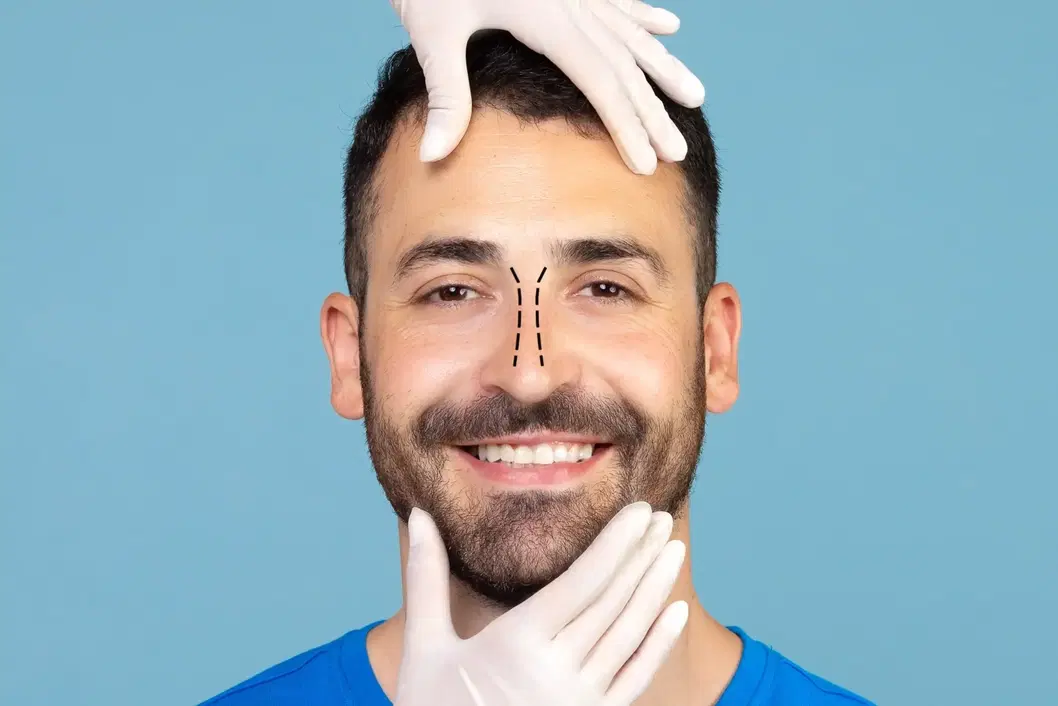
Why Is Ethnic Rhinoplasty Not a One-Size-Fits-All Procedure?
Ethnic rhinoplasty is not one-size-fits-all because anatomy and expectations vary within every population group. Two patients with the same background can have different skin thickness, cartilage strength, bridge height, nostril shape, and airway needs. Cultural identity can also mean different things to different people. This detail is often missing from competitor pages. The surgeon should avoid assumptions based on ethnicity alone. A responsible consultation should ask what the patient wants to keep and what they want to change. Planning should connect facial analysis, breathing evaluation, healing behavior, and realistic goals.
Which Questions Should Patients Ask Before Ethnic Rhinoplasty?
Patients should ask how the plan respects identity, structure, function, and realistic limits.
Which features will be refined, and which features should be preserved?
How do my skin thickness and cartilage strength affect the plan?
Will the septum, turbinates, and nasal valves be evaluated?
Will grafts, implants, or structural support be needed?
These questions help patients compare medical reasoning, not photo promises. A responsible answer should avoid guarantees, pressure, and unsupported transformation claims.
How Should Facial Identity Be Discussed?
Facial identity should be discussed directly because the patient defines which features feel important. Some patients want subtle refinement. Others want stronger bridge support, more tip definition, or nostril adjustment. Some want to correct trauma while keeping familial features. The surgeon should ask about goals without imposing a standard. Reference photos can help communication, but they should not replace facial analysis. This conversation should include profile, front view, smile changes, skin, airway, and cultural preferences. The best plan for one patient may not fit another patient from the same background.
Which Anatomical Details Often Change the Plan?
Several anatomical details can change the surgical plan before ethnic rhinoplasty is scheduled.
Thick skin can limit fine tip definition and prolong swelling.
Weak cartilage may need structural support or grafting.
A low bridge may require augmentation instead of reduction.
Nasal valve weakness can affect breathing after shape changes.
These features do not create one ethnic formula. They show why the plan should start with examination, not stereotypes.
Why Do Skin Thickness and Soft Tissue Matter?
Skin thickness and soft tissue matter because they control how cartilage changes appear externally. Thick skin can hide small refinements and may swell longer after surgery. Thin skin can show minor irregularities more easily. Oily or scar-prone skin can also affect healing discussions. A smaller internal framework does not always create a sharper outside shape. This is a key missing detail online. Patients should ask how their skin envelope affects tip definition, bridge lines, swelling, and final visibility. Realistic planning should describe expected limits without promising exact photo matching.
How Does Cartilage Strength Affect Ethnic Rhinoplasty?
Cartilage strength affects ethnic rhinoplasty because the nose needs support for shape and airflow. Some patients have strong cartilage that can be reshaped. Others have weaker cartilage that needs reinforcement. Tip definition, nostril support, and nasal valve function can depend on cartilage strength. Over-reduction can weaken support and affect breathing in selected patients. Grafts may be discussed when stronger structure is needed. This is not an aesthetic extra. It can be part of functional and structural planning. The surgeon should explain whether cartilage will be reshaped, preserved, reinforced, or borrowed from another site.
When Is Bridge Augmentation Discussed?
Bridge augmentation is discussed when the nasal dorsum needs added height or smoother contour. Some patients request a higher bridge, straighter profile, or improved front-view definition. Surgeons may discuss cartilage grafts, diced cartilage, fascia, or implants depending on anatomy and practice. Each material has limitations and risks. Implants may involve infection, movement, visibility, or revision concerns in selected cases. Rib or ear cartilage can add donor-site considerations. The choice should be individualized. Patients should ask what material is proposed, why it fits their nose, and what alternatives exist.
How Are Tip Definition and Nostril Shape Planned?
Tip definition and nostril shape are planned by balancing refinement with support and identity. The nasal tip depends on cartilage shape, skin thickness, projection, rotation, and scar behavior. Nostril changes may involve alar base adjustment, rim support, or asymmetry correction. Over-narrowing can look unnatural or affect airflow in selected cases. Tip narrowing can also be limited by thick skin. This nuance is often missing from promotional pages. Patients should ask which measurements and facial features guide nostril and tip planning. The goal should be harmony, not copying another patient’s result.
Why Must Airway Function Be Checked?
Airway function must be checked because ethnic rhinoplasty can involve structural changes that affect breathing. The surgeon should evaluate septal deviation, turbinate enlargement, internal valve function, external valve support, trauma history, allergies, and previous surgery. A shape-only plan can miss hidden obstruction. A bridge or tip change can also alter support if not planned carefully. Nasal valve assessment is especially important when narrowing or projection changes are discussed. Patients should ask whether the procedure is cosmetic, functional, or combined. Breathing should be part of the consultation, not an afterthought.
How Do Open and Closed Approaches Differ?
Open and closed approaches differ by incision placement and surgical exposure. Open rhinoplasty uses internal incisions plus a small columella incision. It can help with complex tip support, grafting, asymmetry, or revision planning. Closed rhinoplasty uses internal incisions only and may suit selected cases. Neither method is automatically appropriate for every patient. The approach should depend on anatomy, goals, graft needs, airway issues, and surgeon assessment. Patients should ask why one route is recommended. The label alone does not define quality, precision, or final appearance.
When Are Grafts or Implants Considered?
Grafts or implants are considered when the nose needs added support, contour, height, or reconstruction. Septal cartilage may be useful, but it may not be enough in every case. Ear cartilage can fit curved support needs. Rib cartilage may be discussed when stronger or larger graft material is needed. Implants can add volume but carry material-specific concerns. The decision should consider skin thickness, bridge needs, infection risk, revision risk, and patient preference. This topic is often oversimplified online. Patients should ask where material will come from and how it may affect follow-up.
Why Are Reference Photos and Simulation Limited?
Reference photos and simulation are limited because they cannot predict healing, anatomy, or identity fit. They can help explain preferences, such as bridge height or tip shape. They cannot guarantee the final nose. Lighting, camera angle, editing, skin thickness, swelling, and facial proportions change appearance. A nose that suits one face may not suit another. This matters especially when patients request a look from another background. The consultation should use photos as communication tools, not promises. Patients should ask which requested changes are realistic, uncertain, or not advisable.
How Should Expectations Be Managed?
Expectations should be managed through honest discussion about goals, limits, tradeoffs, and healing. Ethnic rhinoplasty can refine shape, support structure, or address breathing issues in selected patients. It cannot create a guaranteed face, erase every asymmetry, or copy another person. Swelling can also hide early definition. Patients should discuss what feels essential to preserve. They should also explain which features cause concern. A responsible surgeon should identify unrealistic requests before surgery. This protects informed consent. It also helps avoid decisions driven by edited images, social media trends, or travel pressure.
What Risks and Limits Should Be Discussed?
Risks and limits should be discussed because ethnic rhinoplasty can affect appearance, breathing, sensation, and comfort. Possible concerns include bleeding, infection, swelling, scarring, numbness, asymmetry, persistent obstruction, worsened obstruction, dissatisfaction, graft visibility, implant issues, or need for further surgery. Thick skin, weak cartilage, previous surgery, trauma, smoking, medicines, and healing response can change risk. Donor cartilage can add separate considerations. Patients should ask which risks apply to their exact nose. Consent should include alternatives, uncertainty, postoperative care, and the possibility that some requested changes may be limited.
How Should Recovery Be Planned?
Recovery should be planned because swelling, breathing, and skin contraction can evolve gradually. Patients may have a splint, tapes, internal supports, prescribed medicines, or nasal care instructions. They may need limits on exercise, glasses pressure, sun exposure, swimming, contact sports, and nose blowing. Thick skin and grafting can affect swelling discussions. International patients should confirm early postoperative visits before return travel. They should also know who handles bleeding, fever, trauma, severe blockage, or wound concerns after returning home. Written instructions should explain medicines, warning signs, activity limits, and follow-up communication.
What Records Should International Patients Prepare?
International patients should prepare records that show nasal history, health factors, and previous treatments. Useful files include previous operation notes, CT reports, endoscopy findings, allergy history, trauma records, photographs, medication lists, and filler history. Patients should disclose smoking, blood thinners, bleeding disorders, steroid injections, nasal implants, and prior nasal procedures. Breathing symptoms should be described by side, sleep effect, exercise effect, seasonal pattern, and response to sprays. Translated summaries can reduce delays. Complete records help the surgeon assess graft needs, airway findings, scar risk, and realistic planning.
Which Turkey-Specific Health Tourism Rules Matter?
Turkey-specific health tourism rules require ethnic rhinoplasty information to stay factual, transparent, and non-misleading. Health service promotion should not create demand through guarantees, superiority claims, pressure, or unsupported outcome statements. International health tourism services also involve authorization rules for healthcare facilities and intermediary organizations. Patients may ask whether the provider is authorized for international health tourism. They should request clear information about surgeon evaluation, procedure scope, consent, interpreter support, privacy, postoperative care, records, and follow-up communication. This page avoids price promises, comparative savings language, success claims, and unsupported surgeon or clinic superiority statements.
What Should Patients Know About Ethnic Rhinoplasty in Turkey Cost 2026?
Ethnic Rhinoplasty in Turkey Cost 2026 can vary by anatomy, surgical complexity, graft needs, airway work, and follow-up planning. A responsible cost explanation should not use cheapness claims, savings comparisons, or pressure language. The final amount may depend on consultation, nasal evaluation, imaging when needed, bridge augmentation, tip support, alar work, septoplasty, valve repair, graft material, implant decisions, anesthesia, hospital pathway, medicines, splints, translation, and postoperative visits. Patients should request written, patient-specific information before travel or booking. Prices should not be presented as a reason to choose surgery. Medical suitability, identity-respecting planning, airway assessment, and risk discussion should come first.
References
American Society of Plastic Surgeons — Plastic Surgery for Ethnic Patients: https://www.plasticsurgery.org/news/briefing-papers/briefing-paper-plastic-surgery-for-ethnic-patients
American Society of Plastic Surgeons — Rhinoplasty: https://www.plasticsurgery.org/cosmetic-procedures/rhinoplasty
American Society of Plastic Surgeons — Rhinoplasty Risks and Safety: https://www.plasticsurgery.org/cosmetic-procedures/rhinoplasty/safety
AAO-HNS — Clinical Practice Guideline: Improving Nasal Form and Function after Rhinoplasty: https://www.entnet.org/quality-practice/quality-products/clinical-practice-guidelines/improving-nasal-form-and-function-after-rhinoplasty/
AAO-HNS — Clinical Practice Guideline Executive Summary: Improving Nasal Form and Function after Rhinoplasty: https://aao-hnsfjournals.onlinelibrary.wiley.com/doi/10.1177/0194599816683156
AAO-HNS — Position Statement: Nasal Valve Repair: https://www.entnet.org/resource/position-statement-nasal-valve-repair/
Cleveland Clinic — Rhinoplasty: https://my.clevelandclinic.org/health/treatments/11011-rhinoplasty
PubMed Central — Shifting Goals in Aesthetic Rhinoplasty, Eurocentric Ideals, Ethnic Background, and Cultural Identity: https://pmc.ncbi.nlm.nih.gov/articles/PMC12456530/
PubMed Central — Middle Eastern Rhinoplasty: Update: https://pmc.ncbi.nlm.nih.gov/articles/PMC6326597/
PubMed Central — Ethnic Rhinoplasty: A Middle East-Centered Patient Satisfaction Survey Using the FACE-Q Questionnaire: https://pmc.ncbi.nlm.nih.gov/articles/PMC10324984/
PubMed — Ethnically Sensitive Rhinoplasty: https://pubmed.ncbi.nlm.nih.gov/37279876/
PubMed — Ethnic Variations and Surgical Outcomes in Rhinoplasty: A Systematic Review: https://pubmed.ncbi.nlm.nih.gov/40494973/
T.C. Sağlık Bakanlığı — Regulation on International Health Tourism and Tourist Health: https://shgmturizmdb.saglik.gov.tr/EN-108974/regulation-on-international-health-tourism-and-tourist-health.html
T.C. Sağlık Bakanlığı — Health Tourism Regulations: https://shgmturizmdb.saglik.gov.tr/EN-107627/regulations.html
T.C. Sağlık Bakanlığı — Certified Healthcare Providers and Certified Facilitators: https://healthturkiye.gov.tr/certificated-health-service-providers
T.C. Sağlık Bakanlığı — Sağlık Hizmetlerinde Tanıtım ve Bilgilendirme Faaliyetleri Hakkında Yönetmelik: https://www.lexpera.com.tr/resmi-gazete/metin/saglik-hizmetlerinde-tanitim-ve-bilgilendirme-faaliyetleri-hakkinda-yonetmelik-33075