

IMRT / IGRT
IMRT / IGRT in Turkey
IMRT and IGRT in Turkey are external beam radiotherapy techniques used when treatment requires shaped dose delivery and image-based positioning. IMRT modulates beam intensity to conform radiation around a planned target. IGRT uses imaging before or during treatment to verify anatomy and patient position.
What Are IMRT and IGRT, and How Are They Different?
IMRT and IGRT describe different functions within external beam radiation therapy. IMRT stands for intensity-modulated radiation therapy. It changes radiation intensity across multiple beams to shape the planned dose distribution. IGRT stands for image-guided radiation therapy. It uses imaging around treatment delivery to verify anatomy and positioning. Imaging can involve CT, X-ray, ultrasound, or other suitable techniques. IMRT primarily concerns how the radiation dose is shaped. IGRT primarily concerns where that planned dose is delivered. A patient can therefore receive an IMRT treatment plan that also uses image guidance. The exact approach depends on diagnosis and treatment planning.
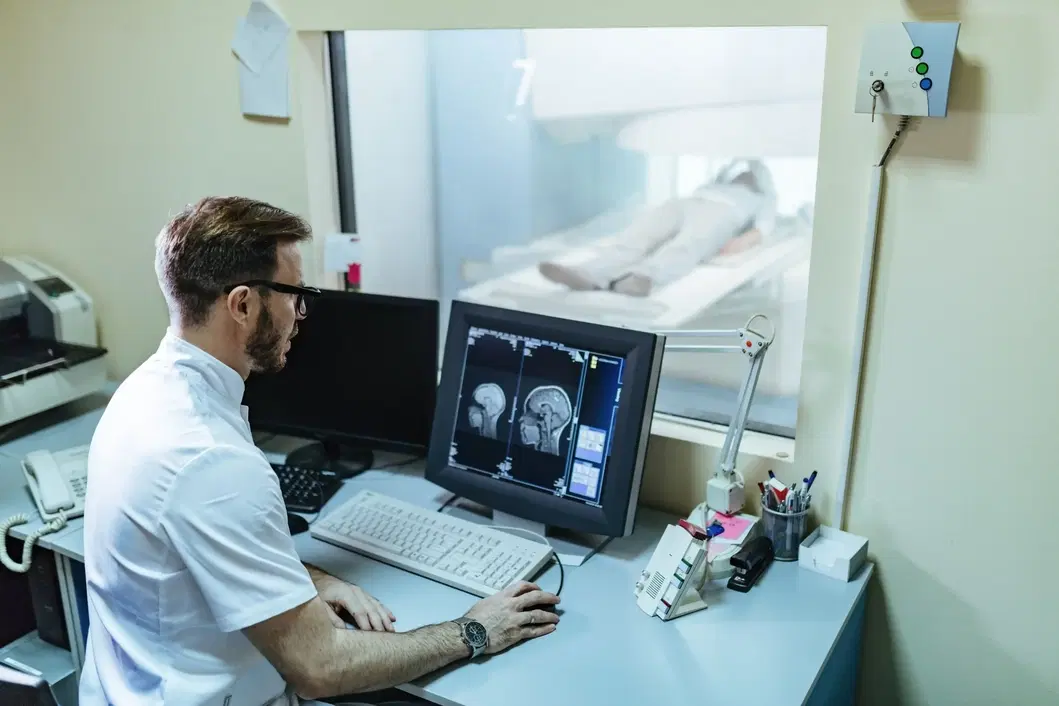
Oncology / IMRT - IGRT
How Do IMRT and IGRT Work Together During Radiotherapy?
IMRT and IGRT can work together by combining detailed dose shaping with image-based verification before radiation delivery. The treatment team first creates an IMRT plan around defined target volumes and nearby healthy structures. Positioning must then reproduce the planned anatomy accurately during treatment sessions. IGRT provides additional images that help compare current anatomy with the planned position. The team can make appropriate positioning adjustments when differences are identified. This relationship explains why IMRT and IGRT should not be presented as competing treatments. They address different parts of the same radiotherapy workflow. Their use depends on the individual treatment plan.
What Happens Before IMRT / IGRT Treatment Starts in Turkey?
IMRT and IGRT usually require a dedicated planning process before the first therapeutic radiation session begins.
Simulation: Planning CT establishes treatment anatomy and helps define the target and surrounding organs.
Immobilization: Masks, supports, or molds can help reproduce the planned position during later treatment sessions.
Image integration: MRI or PET information may support target definition when clinically relevant.
Dose planning: Specialists calculate beam arrangements and dose distribution around the planned treatment volumes.
Plan verification: Technical checks occur before the approved radiation plan is delivered to the patient.
Planning requirements vary according to tumor location, anatomy, movement, and prescribed radiotherapy technique.
Why Can 4D-CT Matter for Tumors That Move With Breathing?
4D-CT can help radiation teams evaluate tumor and organ movement associated with the patient's breathing cycle. Standard CT provides anatomical information at particular moments during imaging. Respiratory movement can become relevant for selected tumors in the chest or upper abdomen. Four-dimensional imaging adds information about how anatomy changes during breathing. Ankara Bilkent City Hospital documents a 4D-CT simulator within its radiation oncology service. Its published information describes using respiratory information to assess tumor and organ movement. Not every patient requires 4D-CT. The radiation oncologist determines whether motion assessment could influence target definition or treatment planning.
Why Is Imaging Repeated During IGRT Treatment?
Imaging is repeated during IGRT because the patient's treatment position and internal anatomy can differ between radiotherapy sessions. The reference treatment plan is created from simulation images obtained before treatment begins. IGRT allows the team to compare treatment-day anatomy with that planned reference. Positioning can then be corrected when clinically necessary. Repeated imaging can also identify relevant changes in target location or surrounding anatomy. The imaging method depends on the treatment equipment and clinical objective. Image guidance does not eliminate the need for careful simulation or immobilization. Instead, it adds another verification step before planned radiation delivery.
Does IMRT / IGRT Make the Patient Radioactive After Treatment?
No, external beam IMRT and IGRT do not make the patient radioactive after a treatment session. A treatment machine generates radiation and directs it toward the planned area from outside the body. The radiation source does not remain inside the patient afterward. Patients receiving external beam radiotherapy therefore do not retain radiation from the treatment beam. This differs from some forms of internal radiation therapy, where radioactive material may enter the body temporarily or permanently. Those treatments can require different precautions. Patients should follow instructions for their exact treatment type rather than applying brachytherapy precautions to external beam IMRT or IGRT.
Do IMRT and IGRT Eliminate Radiation Therapy Side Effects?
No, IMRT and IGRT can improve treatment precision but cannot eliminate every potential radiation therapy side effect. IMRT shapes dose around defined targets and nearby normal tissues. IGRT supports accurate positioning during treatment delivery. However, healthy tissue can still receive radiation when it lies near the treatment area. Side effects therefore depend strongly on the body region treated. They also depend on dose, treatment schedule, other therapies, and individual health factors. Some effects appear during treatment, while others can develop later. Patients should discuss expected effects for their specific treatment area. New or worsening symptoms should be reported during follow-up.
What Should International Patients Prepare for IMRT / IGRT in Turkey?
International patients should provide complete cancer and previous radiotherapy records before traveling for IMRT or IGRT in Turkey.
Send pathology reports confirming the diagnosis and relevant tumor characteristics.
Provide recent CT, MRI, PET-CT, or other imaging reports with original files when available.
Include previous surgery, chemotherapy, immunotherapy, and targeted treatment summaries.
Provide earlier radiotherapy plans, treated areas, and delivered doses when previous radiation has been given.
List current medicines, implanted medical devices, and significant medical conditions.
Previous radiation information can be particularly important when specialists are considering treatment near an earlier radiation field.
How Can International Patients Verify an IMRT / IGRT Provider in Turkey?
International patients can verify health-tourism authorization through official records published by Turkey's Ministry of Health. The current authorized-provider page is dated July 28, 2026. Health-tourism authorization does not confirm suitability for a particular radiotherapy technique or guarantee an outcome. Patients should separately confirm that the radiation oncology center provides the required treatment and planning services. Turkey also introduced a dedicated Radiation Oncology Services Regulation on December 16, 2025. It covers center authorization, radiation protection, staffing, equipment, and quality management requirements. Specified health-tourism facilities also face TÜSKA accreditation requirements by December 31, 2026.
IMRT / IGRT in Turkey Cost 2026: What Affects the Total Cost?
IMRT and IGRT in Turkey have no single 2026 cost because radiation treatment requirements differ between individual patients. This page therefore does not provide a fixed treatment price. Costs can depend on simulation, imaging, treatment planning, prescribed radiation technique, and required treatment sessions. More complex motion management or image guidance can create additional planning requirements. Previous radiotherapy may also require further assessment before another treatment course. Medical consultations, laboratory tests, and other oncology treatments can affect the overall financial plan. International patients should request an individualized written quotation after clinical review, with included and excluded services stated clearly.
This content provides general medical information and does not recommend a specific radiotherapy technique, healthcare provider, or clinical outcome. Radiation treatment requires individual assessment by appropriately qualified healthcare professionals.
Last updated: August 14, 2026
Sources
https://www.cancer.gov/about-cancer/treatment/types/radiation-therapy/external-beam
https://www.cancer.gov/publications/dictionaries/cancer-terms/def/intensity-modulated-radiation-therapy
https://www.cancer.gov/publications/dictionaries/cancer-terms/def/image-guided-radiation-therapy
https://www.cancer.gov/about-cancer/treatment/types/radiation-therapy/side-effects
https://ankarasehir.saglik.gov.tr/EN-834530/radiation-oncology.html
https://antalyaism.saglik.gov.tr/TR-369921/radyasyon-onkolojisi-hizmetleri-yonetmeligi.html
https://shgmturizmdb.saglik.gov.tr/EN-69061/authorized-healthcare-providers-and-facilitators.html
https://shgmturizmdb.saglik.gov.tr/TR-117812/saglik-turizmi-yetki-belgesine-sahip-saglik-tesislerinin-dikkatine.html
https://shgmturizmdb.saglik.gov.tr/TR-107599/yonetmelikler.html
https://antalyaism.saglik.gov.tr/TR-366500/saglik-hizmetlerinde-tanitim-ve-bilgilendirme--faaliyetleri-hakkinda-yonetmelik.html