

Radiation Oncology
Radiation Oncology in Turkey
Radiation oncology in Turkey uses ionizing radiation to treat selected cancers and, in some cases, relieve cancer-related symptoms. Treatment may involve external beam radiotherapy, stereotactic techniques, or brachytherapy, depending on the diagnosis. Planning usually begins with simulation and imaging rather than the first treatment session.
What Does Radiation Oncology in Turkey Treat?
Radiation oncology in Turkey treats selected cancers using carefully planned ionizing radiation directed at defined treatment areas. Radiotherapy may provide the primary local treatment for some cancers. Doctors can also use it before surgery or after an operation. Some treatment plans combine radiotherapy with chemotherapy or other systemic treatments. Radiation can also reduce symptoms caused by advanced cancer, including selected pain or bleeding problems. External beam radiation and brachytherapy represent different treatment approaches. The appropriate method depends on cancer type, location, stage, previous treatments, nearby organs, and the objective of treatment.
Oncology / Radiation Oncology
What Happens Before Radiation Therapy Starts in Turkey?
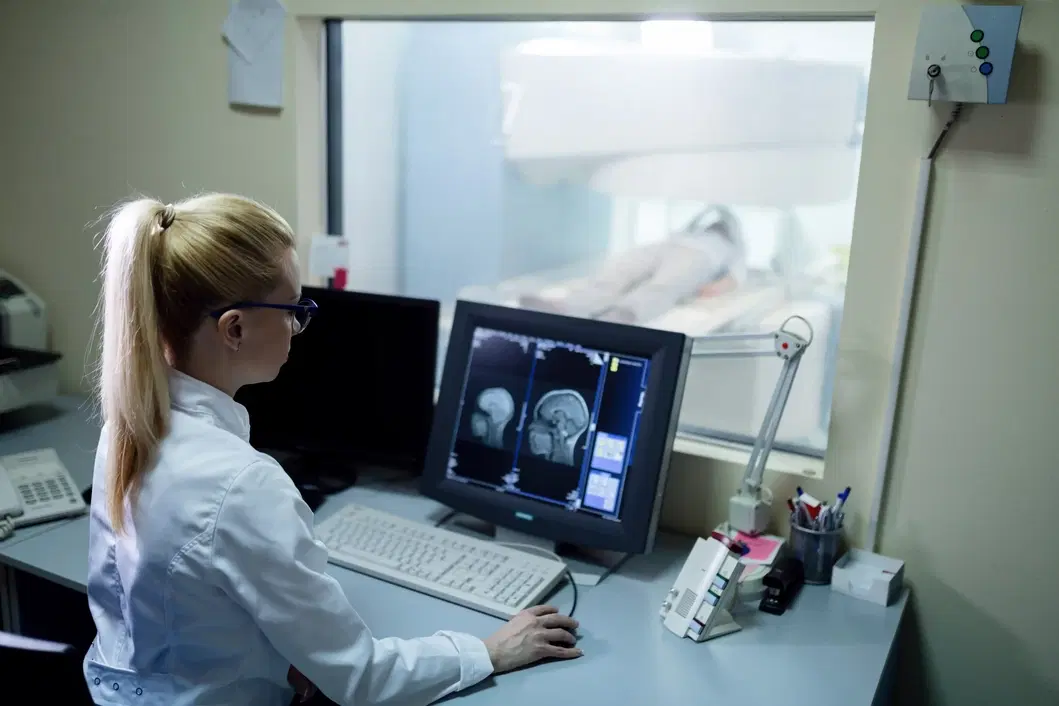
Radiation therapy usually begins with a planning process called simulation, not with immediate radiation delivery.
Simulation imaging: CT-based planning helps define the treatment area and nearby organs requiring protection.
Positioning: Masks, molds, or other devices can help reproduce the same position during treatment.
Image review: MRI or PET information may be incorporated when clinically relevant to target definition.
Dose planning: Radiation oncologists and medical physicists develop a plan for dose distribution.
Motion assessment: Selected tumors may require planning that accounts for breathing or internal organ movement.
The treatment plan is reviewed before radiation delivery begins. Planning requirements depend on the tumor location and selected technique.
How Do IMRT, IGRT, VMAT, SBRT and SRS Differ?
IMRT, IGRT, VMAT, SBRT, and SRS describe different methods for planning, verifying, or delivering external beam radiation. IMRT adjusts radiation intensity across treatment fields. VMAT delivers modulated radiation while the treatment machine rotates around the patient. IGRT uses imaging around treatment delivery to verify positioning and target location. SBRT delivers highly focused radiation to selected targets outside the brain using specialized schedules. SRS applies stereotactic radiation principles to intracranial targets and does not involve surgical cutting. Turkish public radiation oncology centers document several of these techniques. The appropriate method depends on anatomy, diagnosis, motion, and treatment objectives.
What Does Turkey’s Current Radiation Oncology Regulation Require?
Turkey regulates radiation oncology centers through specific licensing, staffing, radiation-protection, quality, and equipment requirements. The current Radiation Oncology Services Regulation was published on December 16, 2025. Centers must obtain required radiation-related authorization and follow Nuclear Regulatory Authority requirements. The regulation also requires a quality management system and documented quality monitoring. Centers must employ at least one medical physicist and two radiotherapy technicians. A qualified radiation-protection officer must also be appointed. Equipment testing, maintenance, calibration, and radiation measurements require documented oversight. These regulatory requirements should not be interpreted as guarantees of individual treatment outcomes.
Does External Beam Radiation Therapy Make You Radioactive?
No, external beam radiation therapy does not make a patient radioactive after the treatment session ends. A machine generates radiation and directs it toward the planned treatment area from outside the body. The radiation source does not remain inside the patient. Patients receiving external beam treatment can therefore be around other people after treatment. Internal radiation treatments follow different rules because a radioactive source may remain inside the body temporarily or permanently. Patients receiving brachytherapy or systemic radioactive treatments may receive specific radiation-safety instructions. The treating team should explain any necessary precautions according to the exact radiation method used.
How Is Brachytherapy Different From External Beam Radiation?
Brachytherapy differs from external beam treatment because a radiation source is positioned inside or close to the treatment area. Doctors can place the source through a catheter, applicator, or another specialized device. Interstitial brachytherapy places radiation within tissue. Intracavitary treatment positions the source within a body cavity. High-dose-rate brachytherapy can use a radioactive source that is removed after treatment delivery. Other brachytherapy approaches follow different schedules. Turkish public radiation oncology services document both external treatment and brachytherapy capability at selected centers. Whether brachytherapy is appropriate depends on cancer type, location, anatomy, stage, and treatment strategy.
Can Radiation Therapy Be Combined With Surgery or Chemotherapy?
Yes, radiation therapy can be used before, during, or after other cancer treatments when the individual treatment pathway supports that sequence. Radiation before surgery can be used in selected cancers to treat the tumor before removal. Postoperative radiation can target areas considered at risk after surgery. Some cancer protocols combine radiotherapy with chemotherapy during the same treatment period. Radiation may also serve as the main local treatment without surgery. Turkish public oncology centers document multidisciplinary use of radiation with surgical and systemic treatments. The sequence should depend on pathology, staging, treatment intent, previous therapy, and individual clinical circumstances.
Which Radiation Therapy Side Effects Require Clinical Monitoring?
Radiation side effects depend strongly on the treated body area, radiation dose, schedule, and nearby healthy tissues.
Fatigue: Tiredness can develop during treatment and can vary considerably between individual patients.
Skin changes: Treatment involving superficial tissues can cause irritation within the exposed treatment area.
Digestive symptoms: Abdominal or pelvic radiation can affect gastrointestinal tissues in selected patients.
Swallowing problems: Radiation near the throat or esophagus can make swallowing uncomfortable.
Late effects: Some complications can appear months or years after radiation treatment has finished.
Patients should report new symptoms during follow-up because management depends on the treated area and individual clinical circumstances.
What Should International Patients Prepare for Radiation Oncology in Turkey?
International patients should provide complete diagnostic and treatment records before traveling for radiation oncology in Turkey. Pathology reports should identify the confirmed cancer diagnosis. Recent CT, MRI, or PET-CT records may help evaluate current disease extent. Original imaging files are especially useful for radiation planning review. Patients should provide previous surgery, chemotherapy, immunotherapy, and radiotherapy summaries. Earlier radiation records should include treatment fields and delivered doses when available. Previous radiation exposure can influence whether another course is appropriate. Patients should also provide medications and important medical conditions. Follow-up arrangements should be discussed before international travel begins.
How Can International Patients Verify a Radiation Oncology Provider in Turkey?
International patients can check health-tourism authorization through official records maintained by Turkey’s Ministry of Health. The authorized provider page was updated on July 28, 2026. Authorization concerns regulatory eligibility to provide international health-tourism services. It does not guarantee suitability for a specific radiation treatment. Patients should also confirm that the provider performs the required radiotherapy technique. Turkey has separate regulatory requirements specifically governing radiation oncology centers. A May 2026 Ministry notice also sets accreditation obligations for specified health-tourism providers by December 31, 2026. Regulatory status should remain separate from individual treatment assessment and informed consent.
Radiation Oncology in Turkey Cost 2026: What Affects the Total Cost?
Radiation oncology in Turkey has no single 2026 cost because treatment planning and delivery vary substantially between patients. This page therefore does not provide a fixed treatment price. The selected radiation technique can affect the financial plan. Simulation imaging, treatment planning, treatment sessions, and medical physics requirements can also influence costs. Brachytherapy may involve different equipment and procedural requirements from external beam treatment. Treatment complexity, imaging guidance, hospitalization, and additional oncology care can create further differences. International patients should request an individualized written quotation after clinical review. It should clearly identify included services, excluded services, planning, treatment delivery, and follow-up.
This content provides general medical information and does not recommend a specific radiation treatment, healthcare provider, or clinical outcome. Radiation therapy requires individual assessment by appropriately qualified healthcare professionals.
Last updated: August 14, 2026
Sources
https://www.cancer.gov/about-cancer/treatment/types/radiation-therapy
https://www.cancer.gov/about-cancer/treatment/types/radiation-therapy/external-beam
https://www.cancer.gov/about-cancer/treatment/types/radiation-therapy/brachytherapy
https://www.cancer.gov/about-cancer/treatment/types/radiation-therapy/side-effects
https://ankarasehir.saglik.gov.tr/EN-834530/radiation-oncology.html
https://antalyaism.saglik.gov.tr/TR-369921/radyasyon-onkolojisi-hizmetleri-yonetmeligi.html
https://shgmturizmdb.saglik.gov.tr/EN-69061/authorized-healthcare-providers-and-facilitators.html
https://shgmturizmdb.saglik.gov.tr/EN-108974/regulation-on-international-health-tourism-and-tourist-health.html
https://shgmturizmdb.saglik.gov.tr/TR-117812/saglik-turizmi-yetki-belgesine-sahip-saglik-tesislerinin-dikkatine.html
https://antalyaism.saglik.gov.tr/TR-366500/saglik-hizmetlerinde-tanitim-ve-bilgilendirme--faaliyetleri-hakkinda-yonetmelik.html
Radiation Oncology Sub Specialties
Brachytherapy
Learn about brachytherapy in Turkey, including HDR and LDR treatment, planning, radiation safety, side effects, international patients and 2026 cost factors.
DetailsSRS / SBRT
Learn about SRS and SBRT in Turkey, including differences, planning, 4D-CT, image guidance, side effects, international patients and 2026 cost factors.
DetailsIMRT / IGRT
Learn about IMRT and IGRT in Turkey, including treatment planning, image guidance, 4D-CT, side effects, international patients and 2026 cost factors.
Details