

Corneal Transplant
Corneal Transplant in Turkey
Corneal Transplant in Turkey may be considered when corneal scarring, thinning, swelling, keratoconus, previous surgery, injury, or endothelial failure affects vision or eye health. This page explains full-thickness and partial-thickness keratoplasty, donor tissue screening, endothelial cell function, rejection symptoms, stitches, astigmatism, recovery, records, and cost factors.
What Is a Corneal Transplant?
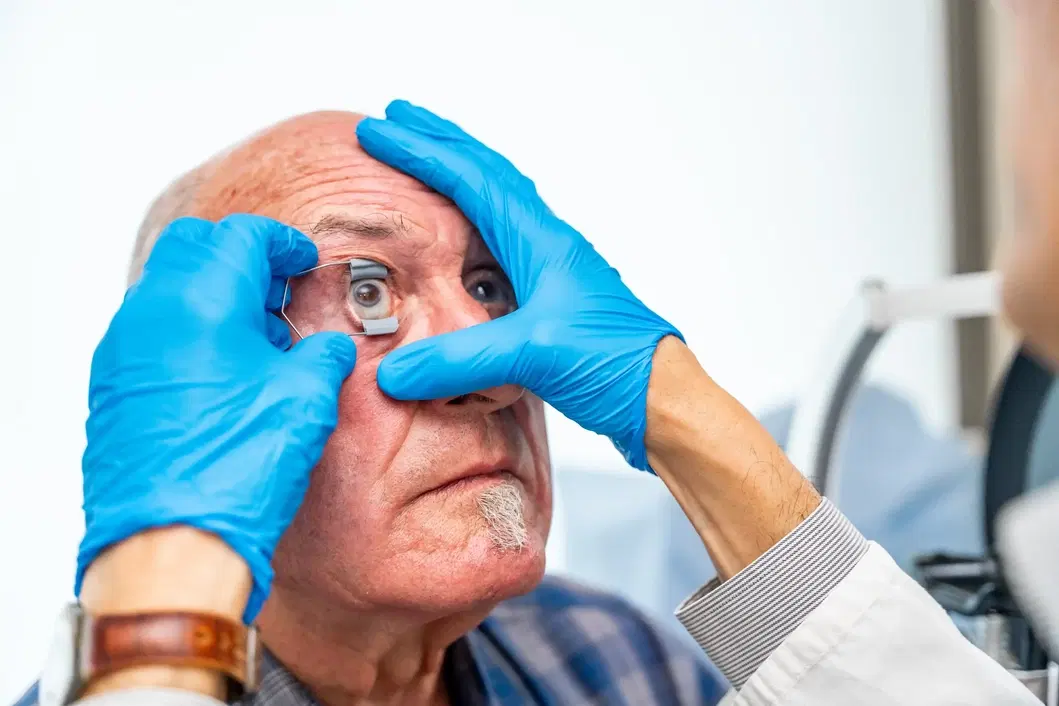
A corneal transplant replaces diseased corneal tissue with suitable donor corneal tissue. The cornea is the clear front window of the eye. It helps focus light and protects inner eye structures. Disease can affect the surface, stroma, endothelium, or full thickness. Doctors may call the operation keratoplasty. The procedure can be full-thickness or layer-specific, depending on which part is damaged. It is different from cataract surgery, laser eye surgery, or retinal surgery. The treatment plan should connect symptoms, corneal clarity, corneal shape, endothelial function, eye pressure, retina status, and patient goals.
Why Is Corneal Transplant Not One Single Procedure?
Corneal transplant is not one single procedure because different corneal layers can fail. Penetrating keratoplasty replaces the full corneal thickness. DALK targets deep stromal disease while preserving the patient’s own endothelium when suitable. DSAEK and DMEK replace diseased endothelial tissue at the back of the cornea. This layer-specific distinction is often missing from competitor pages. A patient with keratoconus may need different planning than a patient with Fuchs endothelial disease. A scar after infection may need another pathway. The surgeon should explain which corneal layer is diseased and why that method fits.
Which Conditions May Lead to Corneal Transplant Evaluation?
Corneal transplant evaluation may be considered when corneal disease reduces clarity, shape, or fluid control.
Keratoconus or corneal ectasia can distort vision when other options are insufficient.
Fuchs endothelial disease can cause corneal swelling and blurred vision.
Corneal scars may follow infection, trauma, burns, or previous surgery.
Earlier graft failure can require repeat specialist assessment.
These conditions do not automatically mean surgery is needed. Contact lenses, medicines, cross-linking, monitoring, or other procedures may remain relevant.
How Do PK, DALK, DSAEK, and DMEK Differ?
PK, DALK, DSAEK, and DMEK differ by the corneal depth they replace. Penetrating keratoplasty replaces the entire corneal thickness. DALK replaces front and middle tissue while keeping the patient’s endothelium when clinically suitable. DSAEK transplants donor endothelium with a thin supporting stromal layer. DMEK transplants a thinner donor endothelial layer. These differences affect stitches, rejection discussion, healing pattern, visual recovery, and possible repeat procedures. No method is automatically suitable for every eye. The choice depends on diagnosis, corneal thickness, scarring depth, endothelial status, lens status, glaucoma, retina health, and surgeon assessment.
Why Does the Endothelium Matter So Much?
The endothelium matters because it helps keep the cornea clear by controlling fluid balance. These cells sit on the inner corneal surface. They do not regenerate well after significant loss. When endothelial function declines, the cornea can swell and vision can blur. Fuchs endothelial disease and previous eye surgery can affect this layer. Endothelial keratoplasty may be discussed when the main problem sits there. Donor tissue quality can include endothelial cell evaluation. This is a key missing detail online. A clear diagnosis should say whether the front cornea, stroma, endothelium, or full cornea is involved.
How Is Donor Corneal Tissue Checked?
Donor corneal tissue is checked through eye bank processes before it is released for transplantation.
Donor medical and social history can be reviewed for exclusion criteria.
Infectious disease testing and tissue inspection may be required.
Endothelial cell assessment can support tissue suitability decisions.
Traceability systems can connect donor tissue records with recipient use.
This information is important for international patients. They should ask how tissue availability, documentation, storage, and regulatory requirements are handled before scheduling surgery.
Is Blood Type Matching Needed for Corneal Transplant?
Blood type matching is usually not central for corneal transplant because the normal cornea has no blood vessels. This makes corneal transplantation different from many solid organ transplants. However, immune rejection can still occur. Risk may rise when the cornea has abnormal blood vessels, inflammation, previous graft failure, infection history, or other eye disease. Patients should not confuse “no routine blood type matching” with “no rejection risk.” The surgeon should explain individual immune risk, steroid drop use, follow-up frequency, and warning symptoms. This distinction is rarely explained clearly on promotional pages.
What Tests Are Needed Before Corneal Transplant?
Preoperative tests are needed to identify the diseased layer and estimate visual potential. The exam may include visual acuity, slit-lamp examination, eye pressure, corneal topography or tomography, pachymetry, endothelial cell evaluation, OCT, and dilated retina examination. Ultrasound may help when the cornea is too cloudy to see inside. The doctor may also check dry eye, eyelid disease, infection risk, and previous surgical changes. A transplant cannot restore vision limited by optic nerve or retina disease. This is why the full eye must be assessed. The plan should address both cornea and overall eye health.
How Are Infection, Inflammation, and Eye Surface Problems Managed?
Infection, inflammation, and eye surface problems should be managed because they can affect graft healing. Active infection may need treatment before elective transplantation. Severe dry eye, eyelid inflammation, exposure, chemical injury, or limbal stem cell deficiency can reduce surface stability. Herpes-related corneal disease may need special prevention planning. Eye pressure problems can also influence graft health. These details are often missing from basic pages. A technically successful operation can still face difficulty if the ocular surface remains unhealthy. Patients should ask whether inflammation is quiet and whether surface treatment is needed before surgery.
What Happens During Corneal Transplant Surgery?
During corneal transplant surgery, the surgeon removes diseased tissue and places donor corneal tissue in the planned layer. Full-thickness grafts are usually secured with sutures. DALK also uses sutures but preserves the patient’s endothelium when possible. Endothelial keratoplasty places donor tissue inside the eye and often uses an air or gas bubble to support attachment. Anesthesia choice depends on patient factors, procedure type, and surgeon planning. Additional procedures may be discussed when cataract, glaucoma, lens problems, or scarring coexist. The operative plan should explain the method, tissue source, aftercare, and possible staged treatment.
Why Do Stitches and Astigmatism Matter After Surgery?
Stitches and astigmatism matter because graft shape can influence visual clarity after surgery. Full-thickness and DALK procedures often require sutures that stay for a period set by the surgeon. Sutures can affect corneal curve and prescription. Selective suture adjustment or removal may be discussed during follow-up. Glasses or specialty contact lenses may still be needed after healing. Endothelial keratoplasty usually involves fewer corneal shape changes, but it has its own risks. Patients should not expect immediate stable vision after every graft type. Visual rehabilitation can depend on healing, astigmatism, retina health, and lens status.
What Are Rejection Warning Signs?
Rejection warning signs can include redness, light sensitivity, vision decline, or eye pain after transplant. These symptoms need prompt contact with the eye doctor. Rejection can sometimes be treated when identified early, but delay can harm graft function. Steroid drops or other medicines may be prescribed to reduce inflammation or rejection risk. Patients should not stop drops without medical advice. Rejection risk differs by graft type, eye inflammation, blood vessel growth, previous graft failure, and follow-up adherence. International patients should know who will review urgent symptoms after they return home. A written plan is essential.
What Risks and Limits Should Be Discussed?
Risks and limits should be discussed because corneal transplant can involve complications or incomplete visual recovery. Possible concerns include infection, rejection, graft failure, glaucoma, cataract, bleeding, retinal problems, wound issues, astigmatism, suture problems, or need for another procedure. Endothelial grafts can detach and may need additional air or gas support. Pre-existing retina, optic nerve, amblyopia, dry eye, or glaucoma can limit vision. Risk varies by diagnosis, graft type, inflammation, previous surgery, and medication adherence. Patients should ask which risks apply to their eye and which symptoms require urgent contact.
How Should International Patients Prepare Records?
International patients should prepare records that show corneal diagnosis, eye history, and previous treatments. Useful files include topography, tomography, pachymetry, endothelial cell counts, OCT, ultrasound, retina reports, eye pressure history, previous surgery notes, contact lens history, and medication lists. Patients with previous corneal transplant should bring operative notes and graft records when available. Infection history, herpes history, trauma, chemical injury, glaucoma, and cataract records also matter. Translated summaries can reduce delays. Complete records help the team decide whether transplant, contact lens care, cross-linking, surface treatment, cataract planning, or observation should be discussed.
Which Turkey-Specific Health Tourism Rules Matter?
Turkey-specific health tourism rules require corneal transplant information to stay factual, transparent, and non-misleading. Health service promotion should not create demand through guarantees, superiority claims, pressure, or unsupported outcome statements. International health tourism services also involve authorization rules for healthcare facilities and intermediary organizations. Corneal transplantation also requires attention to eye bank and corneal transplant center rules. Patients may ask whether the provider is authorized for international health tourism and relevant corneal services. This page avoids price promises, comparative savings language, success claims, and unsupported hospital superiority statements.
What Should Patients Know About Corneal Transplant in Turkey Cost 2026?
Corneal Transplant in Turkey Cost 2026 can vary by diagnosis, graft type, donor tissue, and follow-up needs. A responsible cost explanation should not use cheapness claims, savings comparisons, or pressure language. The final amount may depend on consultation, corneal imaging, donor tissue preparation, PK, DALK, DSAEK, DMEK, anesthesia, medicines, suture follow-up, graft attachment checks, emergency review, translation, and long-term monitoring. Patients should request written, patient-specific information before travel or booking. Prices should not be presented as a reason to choose transplant. Medical indication, tissue availability, risks, and follow-up planning should come first.
References
National Eye Institute — Corneal Transplants: https://www.nei.nih.gov/eye-health-information/eye-conditions-and-diseases/corneal-conditions/corneal-transplants
American Academy of Ophthalmology EyeWiki — Corneal Donation: https://eyewiki.aao.org/Corneal_Donation
American Academy of Ophthalmology — Corneal Transplants Patient Information: https://store.aao.org/media/resources/051175/051175-corneal-transplants.pdf
American Academy of Ophthalmology EyeWiki — Corneal Allograft Rejection and Failure: https://eyewiki.org/Corneal_Allograft_Rejection_and_Failure
Eye Bank Association of America — Medical Standards: https://restoresight.org/wp-content/uploads/2024/07/EBAA_MedicalStandardsBook_June2024.pdf
Eye Bank Association of America — Eye Banking, Corneas, and Transplantation FAQs: https://restoresight.org/cornea-donation/faqs/
National Center for Biotechnology Information — Corneal Donation Guidelines Review: https://pmc.ncbi.nlm.nih.gov/articles/PMC8285277/
MedlinePlus — Corneal Transplant Discharge: https://medlineplus.gov/ency/patientinstructions/000243.htm
T.C. Sağlık Bakanlığı — Göz Bankası ve Kornea Nakli Merkezleri Yönergesi Listesi: https://shgm.saglik.gov.tr/TR-10004/yonergeler.html
T.C. Sağlık Bakanlığı — Doku, Organ Nakli ve Diyaliz Hizmetleri Daire Başkanlığı Yönergeler: https://shgmorgandb.saglik.gov.tr/TR-78362/yonergeler.html
T.C. Sağlık Bakanlığı — Regulation on International Health Tourism and Tourist Health: https://shgmturizmdb.saglik.gov.tr/EN-108974/regulation-on-international-health-tourism-and-tourist-health.html
T.C. Sağlık Bakanlığı — Health Tourism Regulations: https://shgmturizmdb.saglik.gov.tr/EN-107627/regulations.html
T.C. Sağlık Bakanlığı — Sağlık Hizmetlerinde Tanıtım ve Bilgilendirme Faaliyetleri Hakkında Yönetmelik: https://www.lexpera.com.tr/resmi-gazete/metin/saglik-hizmetlerinde-tanitim-ve-bilgilendirme-faaliyetleri-hakkinda-yonetmelik-33075