

Cataract Surgery
Cataract Surgery in Turkey
Cataract Surgery in Turkey may be considered when a cloudy natural lens affects vision, daily activities, or eye monitoring. This page explains symptoms, eye examination, biometry, intraocular lens selection, retina and glaucoma checks, surgery steps, recovery, second-eye timing, records, and cost factors.
What Is Cataract Surgery?
Cataract surgery removes the cloudy natural lens and usually replaces it with an artificial intraocular lens. A cataract forms when the eye’s natural lens becomes cloudy. This can reduce clarity, contrast, color brightness, and night vision. During surgery, the ophthalmologist removes the cloudy lens material through a small opening. An intraocular lens, called an IOL, is placed inside the eye when suitable. The procedure is planned eye by eye. Lens choice, eye measurements, corneal health, retina condition, medicines, and patient goals all matter. A standard explanation cannot describe every cataract case.
When Is Cataract Surgery Considered?
Cataract surgery is considered when lens clouding affects function or limits necessary eye evaluation. Some people notice blurred vision, glare, halos, faded colors, or trouble driving at night. Others struggle with reading, screens, work, or daily tasks. Surgery may also be discussed when a cataract blocks retina or optic nerve monitoring. This is important in diabetes, glaucoma, or retinal disease. Cataract presence alone does not always mean surgery is needed. The decision should connect symptoms, examination findings, visual needs, risks, and alternatives. Patients should ask what problem surgery is expected to address.
Which Symptoms Should Prompt an Eye Examination?
Blurred vision, glare, night driving difficulty, or changing glasses needs should prompt an eye examination.
Cloudy, dim, yellowed, or double vision in one eye may occur.
Glare from sunlight, headlights, or indoor lights can increase.
Reading, screen use, or recognizing faces may become harder.
Frequent prescription changes may suggest lens changes or another eye problem.
These symptoms do not always come from cataract. Dry eye, corneal disease, glaucoma, retina disease, and neurological problems can look similar.
Why Is a Full Eye Exam Needed Before Cataract Surgery?
A full eye exam is needed because cataract may not be the only reason vision is reduced. The ophthalmologist checks visual acuity, eye pressure, cornea, lens, retina, optic nerve, and eye surface. Dilation may help examine the back of the eye. OCT or other imaging may be needed when retina or optic nerve disease is suspected. This detail is often missing from competitor pages. Removing cataract cannot correct every cause of poor vision. Macular degeneration, diabetic retinopathy, glaucoma, corneal scarring, or amblyopia can limit expected visual improvement. Planning should address these findings before surgery.
How Do Biometry and IOL Calculations Affect Planning?
Biometry and IOL calculations affect planning by estimating the lens power needed for the eye. Measurements usually include eye length, corneal curvature, and sometimes anterior chamber depth. Prior LASIK, PRK, radial keratotomy, corneal disease, or high myopia can make calculations more complex. A small measurement error can affect postoperative glasses needs. This is a key missing point on many pages. Patients should bring old refractive surgery records when available. IOL power selection also depends on visual goals, eye dominance, astigmatism, and lens type. The calculation supports planning, but it cannot guarantee exact spectacle independence.
Which Intraocular Lens Options May Be Discussed?
Intraocular lens options are discussed according to eye health, measurements, lifestyle, and visual priorities.
Monofocal lenses usually focus mainly at one distance.
Toric lenses may address selected corneal astigmatism.
Multifocal, trifocal, or EDOF lenses may reduce glasses needs in selected patients.
Some eyes are not suitable for premium lens designs.
Lens selection should avoid marketing promises. Retina disease, glaucoma, corneal irregularity, dry eye, pupil size, and night driving needs can change suitability.
Why Are Premium Lens Expectations Important?
Premium lens expectations matter because advanced lenses can involve tradeoffs as well as possible convenience. Multifocal, trifocal, or extended-depth lenses may help selected patients reduce dependence on glasses. They may also increase halos, glare, or contrast concerns in some eyes. Toric lenses can address astigmatism, but accurate alignment matters. A lens that suits one patient may not suit another. This section matters because many pages overfocus on lens names. Patients should ask what vision range is targeted and what compromises may remain. The goal should be realistic planning, not a promise of glasses-free vision.
How Do Retina, Diabetes, and Glaucoma Change Cataract Planning?
Retina disease, diabetes, and glaucoma can change cataract planning because they affect visual potential and follow-up. Diabetic retinopathy or macular edema may need evaluation before surgery. Glaucoma may require pressure assessment, optic nerve review, and medication planning. Macular degeneration can limit central vision even after lens removal. High myopia may affect retinal risk assessment. These conditions do not automatically prevent cataract surgery. They require individualized discussion. The surgeon should explain whether additional tests, retina treatment, glaucoma planning, or closer monitoring is needed. Patients should not assume cataract surgery alone solves every vision problem.
What Happens During Cataract Surgery?
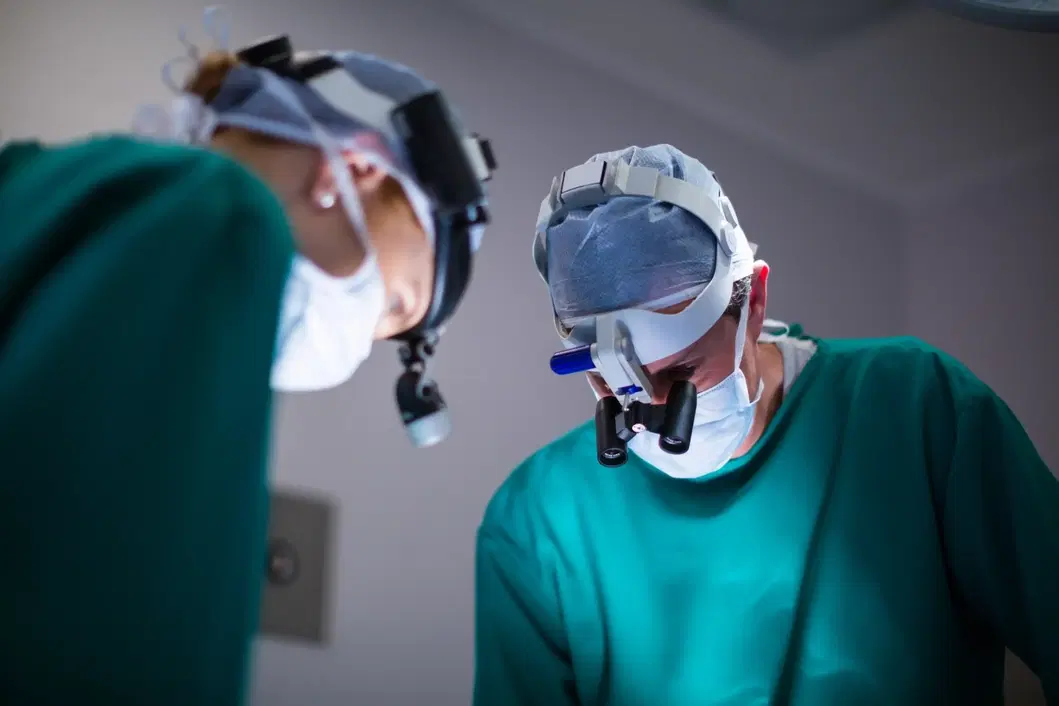
During cataract surgery, the surgeon removes the cloudy lens and places an IOL when suitable. Most adult cataract operations use small-incision techniques. Local anesthesia, eye drops, sedation, or other anesthesia plans may be used depending on the patient. The eye is cleaned, a small incision is made, and the lens material is removed. The IOL is then positioned inside the eye. Laser-assisted steps may be used in selected cases, but they are not required for every patient. The exact approach depends on cataract density, pupil behavior, cornea, prior surgery, and surgeon planning.
Is Laser Cataract Surgery Always Necessary?
Laser cataract surgery is not always necessary because suitability depends on anatomy and surgical goals. Femtosecond laser may assist selected steps, such as corneal incisions, capsulotomy, or lens fragmentation. Traditional phacoemulsification can also be appropriate in many cases. The laser label should not be treated as a guarantee. Dense cataracts, corneal opacity, small pupils, cost factors, and surgical preference can affect planning. Patients should ask what the laser adds for their specific eye. They should also ask whether the expected benefit justifies added complexity or cost. The decision should be clinical, not promotional.
What Risks Should Be Discussed Before Consent?
Risks should be discussed because cataract surgery can still cause complications or unmet expectations. Possible concerns include infection, inflammation, bleeding, high eye pressure, corneal swelling, retinal detachment, lens position problems, glare, dry eye, or persistent blurred vision. Posterior capsule opacification can later cause cloudy vision and may need laser treatment. Risk varies with diabetes, glaucoma, high myopia, previous eye surgery, small pupils, medicines, and cataract density. Patients should ask which risks apply to their eye. They should also ask which symptoms need urgent contact after surgery.
How Should Patients Prepare for Cataract Surgery?
Patients should prepare by completing measurements, sharing medical history, and following eye drop instructions. Medicines, allergies, blood thinners, prostate medicines, diabetes, previous eye surgery, and dry eye symptoms should be reported. Contact lens wear may need to stop before measurements in selected patients. Makeup, creams, or contact lenses may be restricted on surgery day. The center should explain fasting, anesthesia, companion needs, and arrival time. Patients should bring previous records, especially after refractive surgery. Preparation should follow the surgeon’s protocol, not generic online advice. Clear preparation helps reduce avoidable delays.
What Should Patients Know About Recovery and the Second Eye?
Recovery and second-eye timing should be planned according to healing, vision needs, and medical findings. Patients may use prescribed eye drops after surgery. They may need limits on rubbing, swimming, heavy lifting, dusty environments, or driving. Follow-up checks monitor pressure, inflammation, wound healing, and vision. The second eye may be planned after the first eye’s outcome and measurements are reviewed. Some patients need updated glasses after both eyes heal. Timing varies by eye condition, travel plans, and surgeon assessment. International patients should ask how follow-up will continue after returning home.
What Records Should International Patients Bring?
International patients should bring eye and medical records that affect cataract planning. Useful records include glasses prescriptions, contact lens history, OCT images, corneal topography, biometry, retina reports, glaucoma tests, previous surgery notes, and medication lists. Prior LASIK, PRK, RK, or lens surgery records are especially useful. Diabetes summaries and allergy information can also matter. Translated summaries can reduce delays. Patients should describe glare, night driving problems, reading difficulty, and expectations clearly. Complete records help the surgeon assess IOL choice, visual potential, surgical risk, and follow-up needs.
Which Turkey-Specific Health Tourism Rules Matter?
Turkey-specific health tourism rules require cataract surgery information to stay factual, transparent, and non-misleading. Health service promotion should not create demand through guarantees, superiority claims, pressure, or unsupported outcome statements. International health tourism services also involve authorization rules for healthcare facilities and intermediary organizations. Patients may ask whether the provider is authorized for international health tourism. They should request clear information about examination scope, IOL type, consent, interpreter support, privacy, postoperative care, records, and follow-up communication. This page avoids price promises, comparative savings language, success claims, and unsupported technology superiority statements.
What Should Patients Know About Cataract Surgery in Turkey Cost 2026?
Cataract Surgery in Turkey Cost 2026 can vary by patient needs, eye findings, IOL type, and care pathway. A responsible cost explanation should not use cheapness claims, savings comparisons, or pressure language. The final amount may depend on consultation, biometry, OCT, corneal mapping, lens implant selection, anesthesia, laser-assisted steps, medicines, postoperative visits, translation, and follow-up planning. Patients should request written, patient-specific information before travel or booking. Prices should not be presented as a reason to choose surgery. Medical indication, lens suitability, risks, expectations, and follow-up planning should come first.
References
National Eye Institute — Cataracts: https://www.nei.nih.gov/eye-health-information/eye-conditions-and-diseases/cataracts
National Eye Institute — Cataract Surgery: https://www.nei.nih.gov/eye-health-information/eye-conditions-and-diseases/cataracts/cataract-surgery
American Academy of Ophthalmology — Cataract in the Adult Eye Preferred Practice Pattern: https://www.aaojournal.org/article/S0161-6420(21)00750-8/fulltext
American Academy of Ophthalmology — Comprehensive Adult Medical Eye Evaluation Preferred Practice Pattern: https://www.aaojournal.org/article/S0161-6420(25)00817-6/fulltext
American Academy of Ophthalmology — Intraocular Lenses Report: https://www.aaojournal.org/article/S0161-6420(20)30626-6/fulltext
FDA — Patient Information on Intraocular Lens Surgery: https://www.accessdata.fda.gov/cdrh_docs/pdf24/P240005D.pdf
American Optometric Association — Cataract: https://www.aoa.org/healthy-eyes/eye-and-vision-conditions/cataract
National Eye Institute — Diabetic Retinopathy: https://www.nei.nih.gov/eye-health-information/eye-conditions-and-diseases/diabetic-retinopathy
National Eye Institute — Glaucoma Resources: https://www.nei.nih.gov/about/education-and-outreach/glaucoma-resources
T.C. Sağlık Bakanlığı — Regulation on International Health Tourism and Tourist Health: https://shgmturizmdb.saglik.gov.tr/EN-108974/regulation-on-international-health-tourism-and-tourist-health.html
T.C. Sağlık Bakanlığı — Health Tourism Regulations: https://shgmturizmdb.saglik.gov.tr/EN-107627/regulations.html
T.C. Sağlık Bakanlığı — Sağlık Hizmetlerinde Tanıtım ve Bilgilendirme Faaliyetleri Hakkında Yönetmelik: https://antalyaism.saglik.gov.tr/TR-366500/saglik-hizmetlerinde-tanitim-ve-bilgilendirme--faaliyetleri-hakkinda-yonetmelik.html