

Living-Donor Liver Transplant
Living-Donor Liver Transplant in Turkey
Living-Donor Liver Transplant in Turkey may be considered for selected patients with advanced liver disease or specific liver tumors. This page explains recipient evaluation, donor assessment, liver volume planning, graft suitability, legal review, surgery, immunosuppression, follow-up, and cost factors.
What Is a Living-Donor Liver Transplant?
A living-donor liver transplant moves part of a healthy donor’s liver to a recipient. The liver can regenerate, but donation still carries real medical and surgical risks. The donor must keep enough liver volume for safe recovery. The recipient must receive enough functional liver tissue for metabolic needs. Surgeons may use a left lobe, right lobe, or smaller segment depending on age and anatomy. Pediatric and adult transplants follow different planning principles. Doctors evaluate both people separately before approval. This pathway includes medical, surgical, psychological, ethical, and legal review.
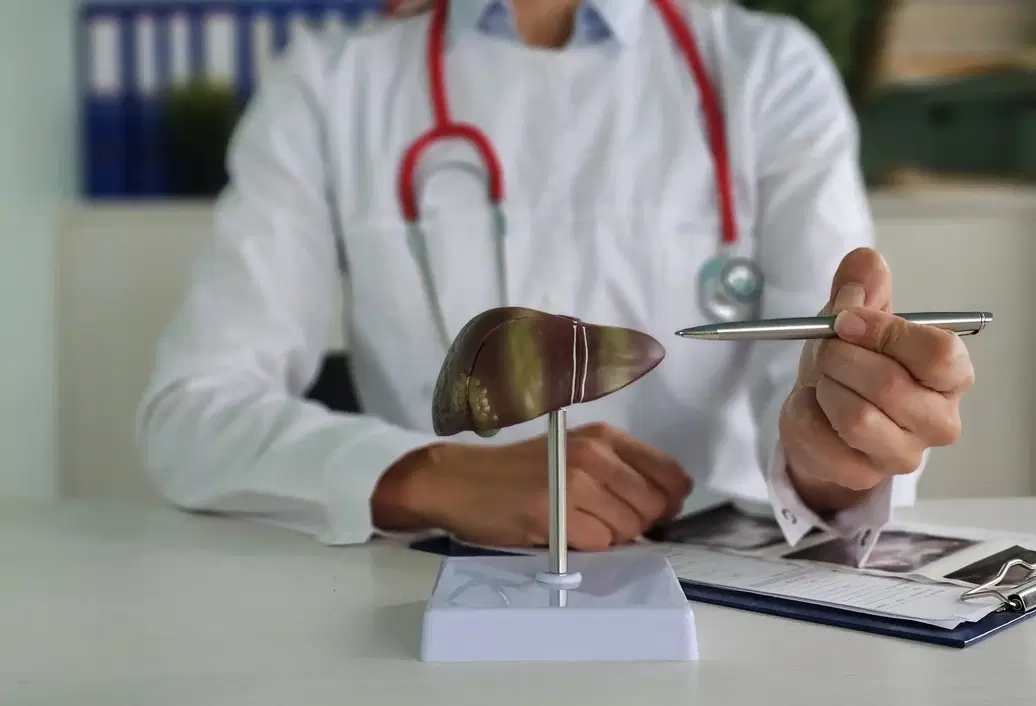
Oncology / Living-Donor Liver Transplant
Why Is Donor Willingness Not Enough?
Donor willingness is not enough because living donation affects a person without liver failure. A donor candidate needs independent medical assessment and informed consent. The team reviews liver health, anatomy, blood vessels, bile ducts, infections, mental health, and long-term risk. Fatty liver, unsuitable anatomy, medical illness, or coercion can stop donation. This point is often underexplained on competitor pages. The donor should have space to decline without pressure. The transplant team should protect donor interests while assessing recipient need. A relationship alone cannot replace structured donor evaluation.
Which Questions Should Donors and Recipients Ask Before Evaluation?
Donors and recipients should ask how suitability, compatibility, and legal eligibility will be confirmed.
Which tests will assess donor liver volume, anatomy, and liver quality?
How will graft size match the recipient’s body and disease status?
Which documents prove identity, relationship, consent, and legal eligibility?
How will donor and recipient follow-up continue after returning home?
These questions make the pathway clearer. They also help international patients avoid travel before essential records and approvals are reviewed.
How Is Recipient Suitability Checked?
Recipient suitability is checked by confirming that transplant is medically justified and realistically planned. Doctors review liver disease cause, MELD-related status, complications, cancer criteria, infections, nutrition, heart health, lung health, kidney function, and substance-use history when relevant. Some patients need treatment or stabilization before listing or surgery. Others may be unsuitable because risks outweigh expected clinical benefit. This does not mean transplant is never possible. It means timing and preparation matter. The evaluation should connect diagnosis, disease severity, tumor status, organ reserve, surgical risk, and long-term medication adherence.
Why Do Remnant Liver and Graft Volume Matter?
Remnant liver and graft volume matter because both donor recovery and recipient function depend on size planning.
The donor must keep enough liver tissue after donation.
The recipient must receive enough liver tissue for body needs.
CT or MRI volumetry helps estimate liver segments and graft size.
Small-for-size risk can affect graft function after transplant.
This is a key missing detail on many pages. Volume planning must also consider blood vessels, bile ducts, liver fat, portal pressure, and surgical anatomy.
How Is the Donor Liver Assessed Before Surgery?
The donor liver is assessed with blood tests, imaging, anatomy review, and risk screening. Blood tests check liver function, blood count, clotting, infections, and general health. CT or MRI can map liver volume, arteries, veins, portal veins, and bile ducts. Some donors may need additional liver fat assessment. The team also reviews medicines, alcohol history, body weight, pregnancy status, and previous surgeries. A technically possible donation may still be inappropriate. Donor protection should remain central. The final decision should reflect combined medical, surgical, psychosocial, and legal findings.
What Legal and Ethical Checks Matter in Turkey?
Legal and ethical checks in Turkey matter because living organ donation must follow current transplant rules. The transplant center may review identity, relationship, consent, medical records, and eligibility documents. Non-close-relative or unclear donor relationships may require additional official review. Commercial organ exchange and donor pressure are not acceptable. International patients should confirm requirements before travel. Documents may need translation, notarization, or official verification. This section avoids oversimplifying legal approval. Current eligibility should be checked directly with the authorized transplant center and relevant official pathway. Medical approval alone does not replace legal review.
How Is the Surgery Planned?
Surgery is planned by matching donor anatomy, recipient needs, and graft reconstruction requirements. Donor surgery removes a selected liver portion while preserving donor liver function. Recipient surgery removes the diseased liver and connects the graft’s vessels and bile duct. Surgeons consider hepatic veins, portal vein, hepatic artery, bile ducts, graft size, and previous operations. Some grafts need complex vascular or biliary reconstruction. Timing follows medical readiness and legal approval. A clear plan should explain possible delays, intensive care expectations, hospital pathway, discharge needs, warning signs, and follow-up communication.
What Complications Should Be Discussed Before Consent?
Complications should be discussed because living-donor liver transplant affects both donor and recipient. Donors may face pain, bleeding, bile leak, infection, hernia, clotting, liver dysfunction, or rare severe outcomes. Recipients may face bleeding, infection, rejection, bile duct problems, vessel thrombosis, graft dysfunction, or disease recurrence. Risks vary by anatomy, health status, graft type, and surgical complexity. This information should not be hidden behind general success language. Patients should ask which risks apply to their case. They should also ask how emergencies, readmission, and post-discharge communication are handled.
Why Is Immunosuppression Essential After Transplant?
Immunosuppression is essential because the recipient’s immune system can attack the transplanted liver. Medicines help reduce rejection risk after surgery. They may start around transplant and continue long term. Missing doses can increase rejection concern. Too much immune suppression can increase infection and medicine-related complications. Doctors therefore monitor drug levels, liver tests, kidney function, blood pressure, diabetes risk, and infection signs. This practical issue is often missing from promotional pages. A discharge summary is not enough. Recipients need medicine access, laboratory monitoring, specialist follow-up, and clear local care coordination.
What Follow-Up Does the Living Donor Need?
The living donor needs follow-up because donation recovery continues after hospital discharge. Follow-up may include wound checks, liver tests, blood counts, clotting review, pain control, activity guidance, and mental health support. Donors should know when they can travel, work, exercise, or resume normal routines. They should also know which symptoms require urgent contact. Fever, worsening pain, jaundice, breathlessness, leg swelling, or wound problems need review. This donor-centered section is often weak on competitor pages. Ethical care continues after donation. The donor remains a patient with ongoing recovery needs.
What Records Should International Patients Prepare?
International patients should prepare complete donor and recipient records before traveling for evaluation. Recipient records should include diagnosis, MELD-related labs, imaging, endoscopy reports, cancer reports, infection screening, medicines, and previous surgeries. Donor records should include blood group, liver tests, imaging, medical history, and relationship documents when available. DICOM imaging files are more useful than screenshots. Translated summaries can reduce delays. The center should explain which originals, certified copies, or official approvals are required. Incomplete records can delay evaluation or change the plan. A diagnosis name alone is not enough.
Which Turkey-Specific Health Tourism Rules Matter?
Turkey-specific health tourism rules require information to stay factual, transparent, and non-misleading. Health service promotion should not create demand through guarantees, superiority claims, pressure, or unsupported outcome statements. International health tourism services also involve authorization rules for facilities and intermediary organizations. Patients may ask whether the provider is authorized for international health tourism and organ transplantation services. They should request clear information about evaluation scope, donor consent, interpreter support, privacy, legal review, discharge planning, and follow-up communication. This page avoids price promises, comparative savings language, success claims, and unsupported hospital superiority statements.
What Should Patients Know About Living-Donor Liver Transplant in Turkey Cost 2026?
Living-Donor Liver Transplant in Turkey Cost 2026 can vary by donor-recipient evaluation, graft type, legal review, and care pathway. A responsible cost explanation should not use cheapness claims, savings comparisons, or pressure language. The final amount may depend on donor tests, recipient tests, imaging, volumetry, surgery, intensive care, blood products, medicines, infection treatment, pathology, translation, document review, and follow-up planning. Patients should request written, patient-specific information before travel or booking. Prices should not be presented as a reason to choose transplant. Medical suitability, donor protection, and legal eligibility should come first.
References
AASLD/AST — Adult Liver Transplantation Candidate Evaluation Guideline: https://pmc.ncbi.nlm.nih.gov/articles/PMC13070310/
EASL — Clinical Practice Guidelines on Liver Transplantation: https://www.journal-of-hepatology.eu/article/S0168-8278%2824%2902440-1/fulltext
AASLD — How Much Liver Is Enough?: https://www.aasld.org/liver-fellow-network/core-series/clinical-pearls/how-much-liver-enough
HRSA/OPTN — Guidance for the Informed Consent of Living Donors: https://www.hrsa.gov/optn/professionals/resources/guidance/guidance-for-the-informed-consent-of-living-donors
HRSA/OPTN — Living Donation FAQs: https://www.hrsa.gov/optn/patients/organ-donation/living-donation/living-donation-faqs
NIDDK — The Liver Transplant Process: https://www.niddk.nih.gov/health-information/liver-disease/liver-transplant/preparing-transplant
NIDDK — Living With a Liver Transplant: https://www.niddk.nih.gov/health-information/liver-disease/liver-transplant/living-with-transplant
ILTS — Living Donor Liver Transplant Recipient Guideline: https://pmc.ncbi.nlm.nih.gov/articles/PMC5642345/
T.C. Sağlık Bakanlığı — Doku, Organ Nakli ve Diyaliz Hizmetleri Daire Başkanlığı Yönetmelikler: https://shgmorgandb.saglik.gov.tr/TR-78358/yonetmelikler.html
T.C. Sağlık Bakanlığı — Organ Nakli Hizmetleri Yönetmeliği: https://antalyaism.saglik.gov.tr/TR-266691/organ-nakli-hizmetleri-yonetmeligi.html
T.C. Sağlık Bakanlığı — Regulation on International Health Tourism and Tourist Health: https://shgmturizmdb.saglik.gov.tr/EN-108974/regulation-on-international-health-tourism-and-tourist-health.html
T.C. Sağlık Bakanlığı — Sağlık Hizmetlerinde Tanıtım ve Bilgilendirme Faaliyetleri Hakkında Yönetmelik: https://antalyaism.saglik.gov.tr/TR-366500/saglik-hizmetlerinde-tanitim-ve-bilgilendirme--faaliyetleri-hakkinda-yonetmelik.html