

Hematopoietic Stem Cell Transplantation
Hematopoietic Stem Cell Transplantation in Turkey
Hematopoietic Stem Cell Transplantation in Turkey may be considered for selected blood cancers, bone marrow failure disorders, immune conditions, and inherited blood diseases. This page explains autologous and allogeneic transplant types, donor matching, conditioning, stem cell sources, graft-versus-host disease, infection prevention, MRD, records, follow-up, and cost factors.
What Is Hematopoietic Stem Cell Transplantation?
Hematopoietic stem cell transplantation replaces or rescues blood-forming cells after intensive medical treatment. Blood-forming stem cells can come from bone marrow, peripheral blood, or umbilical cord blood. The procedure is also called blood and marrow transplant. It is used in selected conditions where marrow function, immune function, or cancer treatment strategy requires it. Transplant planning depends on diagnosis, disease status, age, organ function, previous treatments, infections, and donor availability. It is not the same as solid organ transplantation. The infused cells rebuild blood and immune production over time under close monitoring.
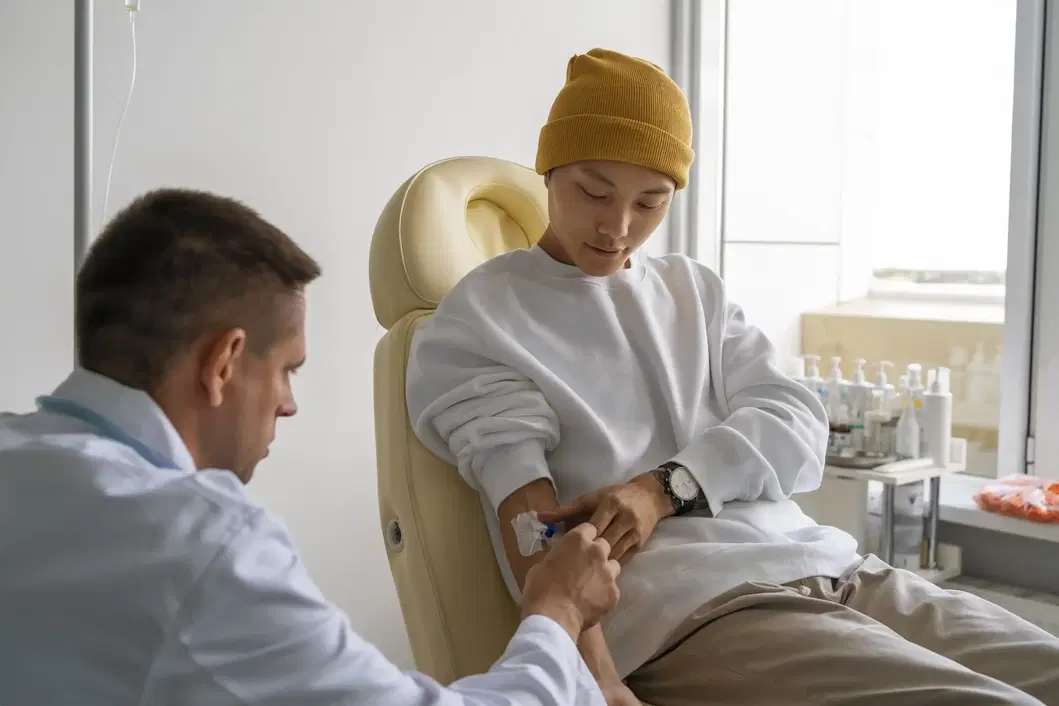
Oncology / Hematopoietic Stem Cell Transplantation
Why Is Transplant Not One Standard Treatment?
Transplant is not one standard treatment because transplant type, donor source, and disease goals differ. Autologous transplant uses the patient’s own stem cells. Allogeneic transplant uses stem cells from another person. Cord blood and haploidentical approaches may be considered in selected settings. Some patients receive transplant after high-dose chemotherapy. Others receive it to replace failing marrow. Conditioning intensity also varies. This detail is often missing from competitor pages. Patients should ask which transplant type is proposed, why it fits the diagnosis, and what alternatives exist before making travel or treatment decisions.
Which Conditions May Lead to Transplant Evaluation?
Transplant evaluation may be considered when the diagnosis and disease status make stem cell therapy relevant.
Leukemia, lymphoma, myeloma, or myelodysplastic syndromes may require assessment.
Aplastic anemia or other marrow failure disorders may need transplant review.
Thalassemia, sickle cell disease, or immune deficiencies may be evaluated.
Relapsed disease, high-risk genetics, or treatment response can change planning.
These conditions do not automatically mean transplant is suitable. A hematology team must review diagnosis, timing, risks, and realistic alternatives.
How Do Autologous and Allogeneic Transplants Differ?
Autologous and allogeneic transplants differ by whose stem cells are used. Autologous transplant collects and returns the patient’s own cells after treatment. It does not create donor immune reactions. Allogeneic transplant uses donor cells and can create donor-versus-host immune effects. This may help some diseases, but it can also cause graft-versus-host disease. Donor matching, immune suppression, and infection prevention become central. Autologous transplant may carry different relapse and immune recovery issues. The choice depends on disease biology, treatment response, donor availability, age, organ function, and treatment goals.
Why Does Donor Matching Matter?
Donor matching matters because immune compatibility can affect transplant strategy and complication risk.
HLA typing compares important immune markers between patient and donor.
Matched sibling, unrelated, haploidentical, and cord blood donors differ clinically.
Donor-specific antibodies may affect some alternative donor decisions.
Donor choice can influence conditioning, graft source, and immune suppression.
A donor match does not automatically make transplant appropriate. Doctors also evaluate disease status, infections, organ reserve, prior treatments, and center-specific protocols.
What Is Conditioning Before Transplant?
Conditioning is treatment given before transplant to prepare the body and disease environment. It may include chemotherapy, radiation, immune-suppressing medicines, or combinations. The plan depends on transplant type, disease, age, organ function, and prior therapy. Conditioning may reduce cancer burden, suppress immunity, or create marrow space. It can also cause side effects involving infection risk, mouth sores, fertility, liver, lungs, kidneys, or heart. This is a key detail for informed consent. Patients should ask which conditioning regimen is planned and why that intensity fits their clinical situation.
How Are Stem Cells Collected and Given?
Stem cells are collected from blood, marrow, or cord blood and then infused through a vein. Peripheral blood collection may use medicines that move stem cells into circulation. Bone marrow collection involves a procedure under anesthesia. Cord blood comes from stored donated umbilical cord blood units. The transplant infusion itself can look like a blood transfusion. The complex part is preparation, immune recovery, and complication monitoring. Patients usually need close observation after infusion. Engraftment, blood counts, infections, medicines, nutrition, and organ function are followed carefully during the early recovery phase.
What Complications Should Patients Understand?
Patients should understand that complications can involve infection, graft problems, organ effects, or immune reactions. Low blood counts can increase infection and bleeding risk. Allogeneic transplant can cause graft-versus-host disease, where donor immune cells attack patient tissues. Conditioning can affect the mouth, gut, skin, liver, lungs, kidneys, fertility, and energy levels. Some effects appear early. Others can develop months or years later. Relapse or disease persistence can also occur. This section avoids guarantees because risk varies widely. The team should explain prevention, monitoring, warning signs, and emergency contact steps.
Why Do MRD and Disease Status Matter Before Transplant?
MRD and disease status matter because transplant planning depends on how controlled the disease is. MRD means measurable residual disease. It can detect very small amounts of remaining disease in selected blood cancers. A complete remission on routine tests may not always mean MRD negativity. Some transplant decisions consider cytogenetics, molecular findings, scan results, marrow tests, and treatment response. This detail is often absent from general pages. The disease state before transplant can influence timing, conditioning, relapse-risk discussions, and post-transplant monitoring. MRD use depends on disease type and available test methods.
What Follow-Up Is Needed After Transplant?
Follow-up after transplant monitors immune recovery, organ function, infections, relapse risk, and late effects. Patients may need frequent blood tests, medicine adjustments, infection precautions, transfusion support, and specialist visits. Allogeneic recipients may need graft-versus-host disease monitoring. Some patients require long-term immune suppression. Vaccination plans often restart after transplant according to medical guidance. Fertility, endocrine health, bone health, heart health, lung function, and emotional recovery may also need review. Follow-up does not end at hospital discharge. International patients should arrange clear communication between the transplant center and their local doctors.
What Records Should International Patients Bring?
International patients should bring complete records so the transplant team can assess suitability accurately. A diagnosis name alone is not enough. Useful records include pathology reports, marrow reports, flow cytometry, cytogenetics, molecular tests, MRD results, treatment summaries, infection history, transfusion history, organ function tests, imaging, and medication lists. Donor HLA results should be included when available. Previous complications and allergies should be clearly listed. Translated summaries can reduce delays. Patients should ask how reports, DICOM images, marrow slides, and tissue blocks can be reviewed or transferred before travel.
Which Turkey-Specific Legal Points Matter?
Turkey-specific rules require transplant service information to stay factual, transparent, and non-misleading. Health promotion should not create demand through guarantees, superiority claims, pressure, or unsupported outcome statements. International health tourism services also involve authorization rules for healthcare facilities and intermediary organizations. Patients may ask whether the provider is authorized for international health tourism. They should request clear information about transplant unit scope, donor coordination, consent, interpreter support, privacy, record release, discharge planning, and follow-up communication. This page avoids price promises, comparative savings language, success claims, and unsupported hospital superiority statements.
What Should Patients Know About Hematopoietic Stem Cell Transplantation in Turkey Cost 2026?
Hematopoietic Stem Cell Transplantation in Turkey Cost 2026 can vary by patient needs, diagnosis, donor type, and care pathway. A responsible cost explanation should not use cheapness claims, savings comparisons, or pressure language. The final amount may depend on transplant type, donor search, HLA testing, conditioning, stem cell collection, blood products, medicines, infection treatment, intensive care, hospital stay, graft monitoring, translation, and follow-up planning. Patients should request written, patient-specific information before travel or booking. Prices should not be presented as a reason to choose transplant. Medical suitability and safety assessment should come first.
References
National Cancer Institute — Stem Cell Transplants in Cancer Treatment: https://www.cancer.gov/about-cancer/treatment/types/stem-cell-transplant
National Cancer Institute — Donating Blood Stem Cells for Stem Cell Transplants: https://www.cancer.gov/about-cancer/treatment/types/stem-cell-transplant/donating-blood-stem-cells
National Cancer Institute — Definition of Stem Cell Transplant: https://www.cancer.gov/publications/dictionaries/cancer-terms/def/stem-cell-transplant
NHLBI — Blood and Bone Marrow Treatments: https://www.nhlbi.nih.gov/health/blood-bone-marrow-treatments
EBMT — 2025 Practice Recommendations for HCT and CAR-T: https://pmc.ncbi.nlm.nih.gov/articles/PMC12583170/
EBMT — HLA Matching in Contemporary Hematopoietic Cell Transplantation, 2026: https://www.nature.com/articles/s41409-026-02922-0
EBMT Handbook — Vaccinations After Hematopoietic Cell Transplantation: https://www.ncbi.nlm.nih.gov/books/NBK608259/
CDC Yellow Book — Immunocompromised Travelers and HSCT Revaccination: https://www.ncbi.nlm.nih.gov/books/NBK620933/
T.C. Sağlık Bakanlığı — Kemik İliği Nakli Merkezleri ve Doku Bilgi İşlem Merkezleri Yönergesi Listesi: https://shgm.saglik.gov.tr/TR-10004/yonergeler.html
T.C. Sağlık Bakanlığı — Regulation on International Health Tourism and Tourist Health: https://shgmturizmdb.saglik.gov.tr/EN-108974/regulation-on-international-health-tourism-and-tourist-health.html
T.C. Sağlık Bakanlığı — Health Tourism Regulations: https://shgmturizmdb.saglik.gov.tr/EN-107627/regulations.html
T.C. Sağlık Bakanlığı — Sağlık Hizmetlerinde Tanıtım ve Bilgilendirme Faaliyetleri Hakkında Yönetmelik: https://antalyaism.saglik.gov.tr/TR-366500/saglik-hizmetlerinde-tanitim-ve-bilgilendirme--faaliyetleri-hakkinda-yonetmelik.html