
Spinal Cord Surgery
Spinal Cord Surgery in Turkey
Spinal Cord Surgery in Turkey may be considered when the spinal cord faces compression, tumor, injury, vascular disease, deformity-related pressure, or selected congenital conditions. This page explains warning symptoms, MRI evaluation, myelopathy, tumor location, decompression, stabilization, neuromonitoring, rehabilitation, medical records, and cost factors.
What Is Spinal Cord Surgery?
Spinal cord surgery treats selected conditions that threaten the spinal cord or nearby nerve pathways. The spinal cord carries signals between the brain and body. Surgery may remove pressure, sample or remove a tumor, stabilize the spine, treat trauma, or address vascular problems. Some operations target the spine bones around the cord. Others target lesions inside or next to the cord. This distinction matters because neurological risk differs. A disc problem, intramedullary tumor, epidural mass, fracture, or arteriovenous malformation needs different planning. Doctors must connect symptoms, examination, imaging, urgency, and overall health before recommending surgery.
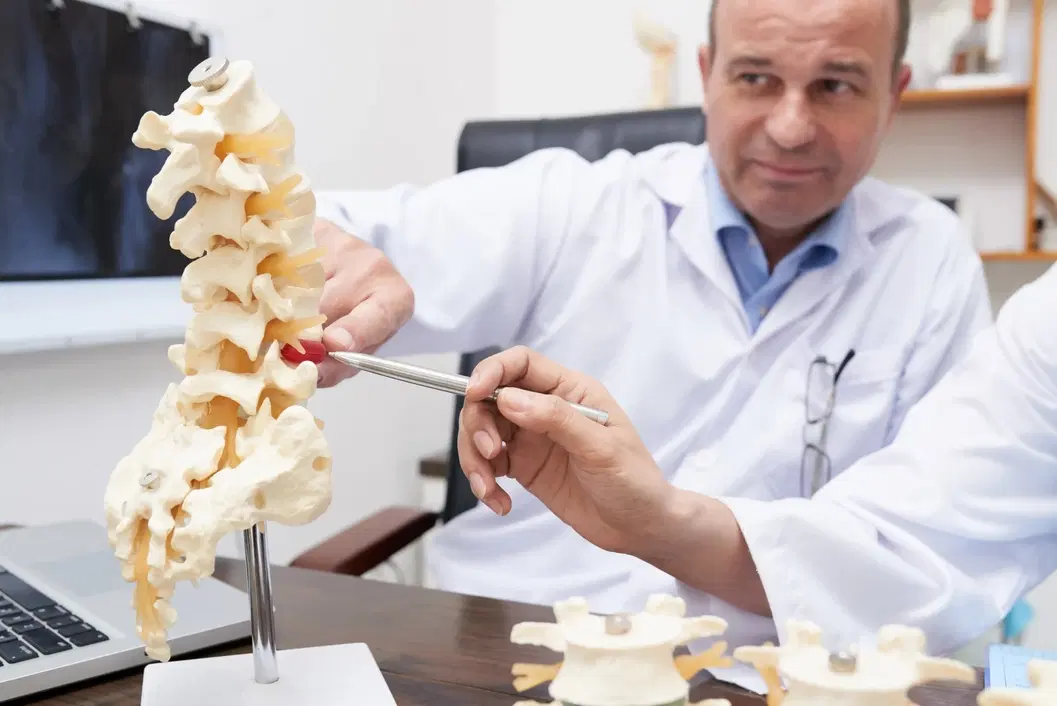
Neurosurgert / Spinal Cord Surgery
Why Is Spinal Cord Surgery Different From General Spine Surgery?
Spinal cord surgery differs from general spine surgery because the spinal cord itself can be at risk. Many spine operations address pain, discs, joints, or nerve roots. Spinal cord surgery focuses on compression, injury, tumors, syrinx, malformation, or instability affecting cord function. A small lesion can cause major effects if it presses on the cord. A larger bone change may be less urgent if it does not affect neural function. This detail is often missing from competitor pages. The key question is not only what the MRI shows. The key question is whether cord function is threatened.
Which Symptoms Should Prompt Urgent Evaluation?
New weakness, walking difficulty, bladder changes, numbness, or severe trauma should prompt urgent evaluation.
Progressive arm or leg weakness can suggest spinal cord involvement.
Balance problems, falls, or hand clumsiness may reflect myelopathy.
New bladder or bowel control problems need urgent assessment.
Severe spine pain after trauma should not be ignored.
These symptoms do not always mean surgery is needed. They mean delay can be risky. Emergency assessment should come before travel planning or routine online consultation.
What Is Myelopathy and Why Does It Matter?
Myelopathy means spinal cord dysfunction caused by compression, injury, inflammation, or another cord problem. Cervical myelopathy may cause hand clumsiness, gait imbalance, stiffness, weakness, numbness, or falls. Some patients notice poor buttoning, handwriting change, or unstable walking. Pain may be mild, so symptoms can be underestimated. This is a key missing point on many pages. Myelopathy is different from isolated back or neck pain. Doctors examine reflexes, strength, sensation, coordination, gait, and imaging findings together. Treatment timing depends on progression, compression severity, diagnosis, age, and surgical risk.
How Do MRI, CT, and DICOM Images Guide Planning?
MRI, CT, and DICOM images guide planning by showing cord, bone, discs, vessels, and surgical anatomy.
MRI can show cord compression, swelling, tumors, bleeding, or inflammation.
CT can define bone injury, calcification, deformity, or surgical anatomy.
Contrast imaging may help evaluate tumors, infection, or vascular lesions.
DICOM files let surgeons review the actual scan, not only the report.
A written report alone may not be enough. Prior images help show whether a finding is new, stable, or progressing.
Why Does Tumor Location Change the Surgical Plan?
Tumor location changes the plan because tumors can sit outside, beside, or inside the spinal cord. Extradural tumors lie outside the protective covering and may involve bone. Intradural extramedullary tumors sit inside the covering but outside the cord. Intramedullary tumors arise within the cord tissue itself. These categories affect biopsy need, surgical access, neurological risk, and whether full removal is realistic. Some tumors need surgery, radiation, systemic treatment, or combined care. Imaging can suggest a pattern, but pathology may still be needed. A tumor name should not be guessed from MRI alone.
When Can Decompression or Stabilization Be Discussed?
Decompression or stabilization may be discussed when pressure or instability threatens spinal cord function. Decompression removes tissue pressing on the cord, such as bone, disc, ligament, tumor, or blood collection. Stabilization supports the spine when fracture, deformity, tumor, infection, or surgical removal creates instability. Some patients need decompression alone. Others need screws, rods, cages, or fusion. Not every cord compression needs the same operation. The surgeon should explain which structure causes pressure and why the chosen approach fits. The plan should also address levels treated, expected hospital pathway, and follow-up imaging.
Which Questions Should Patients Ask Before Surgery?
Patients should ask how the proposed operation protects spinal cord function and addresses the exact cause.
Which spinal level and diagnosis are being treated?
Is the goal decompression, tumor removal, biopsy, stabilization, or deformity correction?
What neurological risks apply to this specific operation?
What rehabilitation, travel limits, and follow-up imaging will be needed?
These questions support informed consent. They also help patients compare medical reasoning instead of broad technology claims or unsupported outcome promises.
How Do Neuromonitoring and Navigation Help?
Neuromonitoring and navigation can support surgical awareness, but they cannot remove all neurological risk. Intraoperative neuromonitoring checks selected nerve and spinal cord signals during surgery. It may help the team notice signal changes during critical steps. Navigation can help relate surgical instruments to imaging and anatomy. These tools can be useful in selected tumor, deformity, trauma, or stabilization procedures. They do not guarantee function preservation or replace surgical judgment. This limitation is often underexplained online. Patients should ask which tool will be used, why it matters, and what risks remain despite its use.
What Risks Should Be Discussed Before Consent?
Risks should be discussed because spinal cord surgery can affect movement, sensation, bladder function, and independence. Possible risks include bleeding, infection, spinal fluid leak, nerve injury, worsening weakness, numbness, paralysis, pain, instability, implant problems, and need for further surgery. Tumor surgery may also involve incomplete removal or pathology uncertainty. Medical risks depend on age, diabetes, smoking, bone quality, heart disease, lung disease, and previous operations. Risk is not identical for every patient. The team should explain personal risks, emergency plans, wound care, warning signs, and readmission steps before discharge.
How Does Rehabilitation Fit Into Recovery?
Rehabilitation fits into recovery because surgery may protect structure while therapy supports function. Some patients need walking training, balance work, strength exercises, hand therapy, bladder support, pain control, or daily activity planning. Recovery depends on diagnosis, preoperative nerve damage, procedure type, age, and complications. Long-standing spinal cord compression may not reverse quickly. Some deficits may improve partially, slowly, or not fully. This detail prevents unrealistic expectations. Rehabilitation planning should start before discharge when possible. International patients should ask how therapy, wound checks, medication review, and local follow-up will continue after returning home.
What Records Should International Patients Prepare?
International patients should prepare complete records before seeking spinal cord surgery in Turkey. Useful files include MRI, CT, DICOM images, radiology reports, previous surgery notes, pathology reports, nerve tests, medicines, infection history, and rehabilitation records. Symptom details should include onset, progression, walking distance, falls, weakness, numbness, bladder changes, pain pattern, and previous treatments. Implant documents are important after earlier spine surgery. Translated summaries can reduce delays. DICOM files are more useful than screenshots or printed images. Complete records help the team confirm whether symptoms and imaging match before recommending treatment.
Which Turkey-Specific Health Tourism Rules Matter?
Turkey-specific health tourism rules require information to stay factual, transparent, and non-misleading. Health service promotion should not create demand through guarantees, superiority claims, pressure, or unsupported outcome statements. International health tourism services also involve authorization rules for healthcare facilities and intermediary organizations. Patients may ask whether the provider is authorized for international health tourism. They should request clear information about procedure scope, consent, interpreter support, privacy, records, discharge planning, rehabilitation coordination, and follow-up communication. This page avoids price promises, comparative savings language, success claims, and unsupported technology superiority statements.
What Should Patients Know About Spinal Cord Surgery in Turkey Cost 2026?
Spinal Cord Surgery in Turkey Cost 2026 can vary by diagnosis, procedure type, implants, and care pathway. A responsible cost explanation should not use cheapness claims, savings comparisons, or pressure language. The final amount may depend on imaging, surgeon evaluation, decompression, tumor surgery, biopsy, stabilization, implants, navigation, neuromonitoring, anesthesia, hospital stay, intensive care needs, medicines, pathology, rehabilitation, translation, and follow-up planning. Patients should request written, patient-specific information before travel or booking. Prices should not be presented as a reason to choose surgery. Medical indication, neurological risk, and recovery planning should come first.
References
NINDS — Spinal Cord Injury: https://www.ninds.nih.gov/health-information/disorders/spinal-cord-injury
NINDS — Central Cord Syndrome: https://www.ninds.nih.gov/health-information/disorders/central-cord-syndrome
NINDS — Syringomyelia: https://www.ninds.nih.gov/health-information/disorders/syringomyelia
AANS — Spinal Tumors: https://www.aans.org/patients/conditions-treatments/spinal-tumors/
AAOS OrthoInfo — Cervical Spinal Cord Compression: https://www.orthoinfo.org/diseases--conditions/cervical-spondylotic-myelopathy-spinal-cord-compression/
AAOS OrthoInfo — Surgery for Cervical Spondylotic Myelopathy: https://www.orthoinfo.org/en/treatment/cervical-spondylotic-myelopathysurgical-treatment-options/
AAOS OrthoInfo — Cauda Equina Syndrome: https://orthoinfo.aaos.org/diseases--conditions/cauda-equina-syndrome/
Mayo Clinic — Spinal Cord Injury Diagnosis and Treatment: https://www.mayoclinic.org/diseases-conditions/spinal-cord-injury/diagnosis-treatment/drc-20377895
Mayo Clinic — Spinal Cord Tumor Diagnosis and Treatment: https://www.mayoclinic.org/diseases-conditions/spinal-cord-tumor/diagnosis-treatment/drc-20350108
WHO — Spinal Cord Injury Fact Sheet: https://www.who.int/en/news-room/fact-sheets/detail/spinal-cord-injury
T.C. Sağlık Bakanlığı — Regulation on International Health Tourism and Tourist Health: https://adiyamaneah.saglik.gov.tr/EN-419655/regulation-on-international-health-tourism-and-tourist-health.html
T.C. Sağlık Bakanlığı — Health Tourism Regulations: https://shgmturizmdb.saglik.gov.tr/EN-107627/regulations.html
T.C. Sağlık Bakanlığı — Sağlık Hizmetlerinde Tanıtım ve Bilgilendirme Faaliyetleri Hakkında Yönetmelik: https://antalyaism.saglik.gov.tr/TR-366500/saglik-hizmetlerinde-tanitim-ve-bilgilendirme--faaliyetleri-hakkinda-yonetmelik.html