

Nerve Sheath Tumor Surgery
Nerve Sheath Tumor Surgery in Turkey
Nerve Sheath Tumor Surgery in Turkey may be considered for selected tumors arising from nerves or nerve coverings. This page explains schwannoma, neurofibroma, malignant peripheral nerve sheath tumor, MRI, biopsy, genetic syndromes, nerve function, surgical planning, pathology, recovery, and cost factors. It highlights verifiable details many pages miss.
What Is a Nerve Sheath Tumor?
A nerve sheath tumor is a growth that starts from cells surrounding peripheral, spinal, or cranial nerves. These tumors can appear along nerves in the arms, legs, trunk, neck, spine, or skull base. Common benign types include schwannoma and neurofibroma. Malignant peripheral nerve sheath tumor is a cancerous type and needs different planning. Symptoms depend on nerve location, tumor size, growth rate, and pressure on nearby tissues. A lump near a nerve does not define the exact tumor type. Doctors combine examination, MRI, nerve function, pathology, and medical history before recommending treatment.
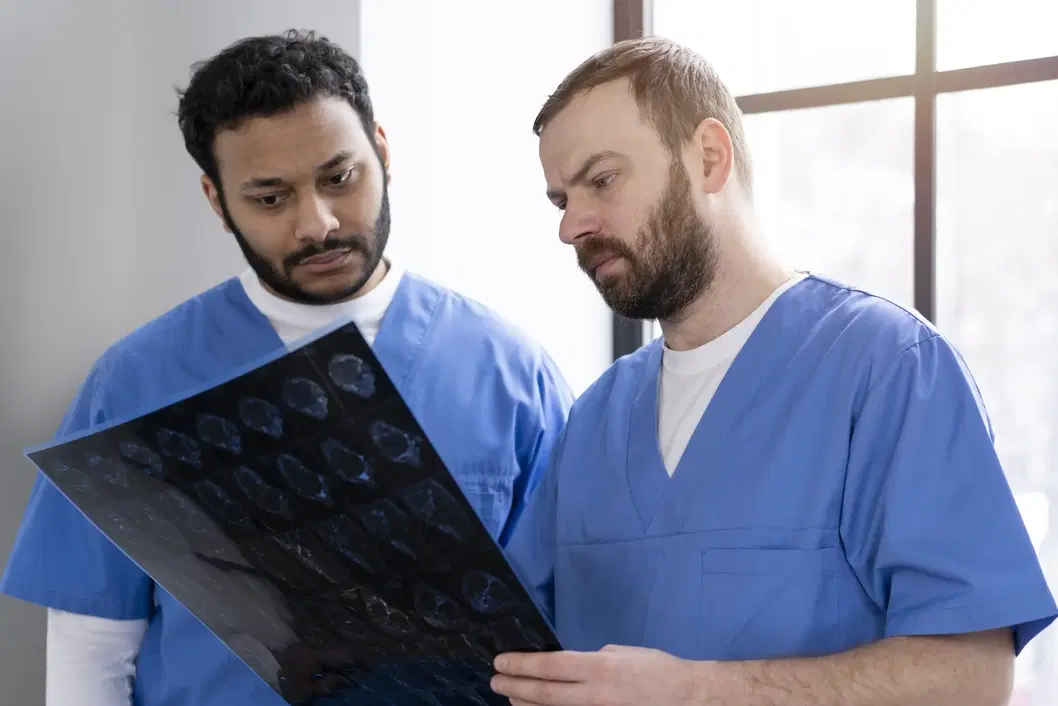
Neurosurgery / Nerve Sheath Tumor Surgery
Why Is Tumor Type Important Before Surgery?
Tumor type is important because schwannoma, neurofibroma, and MPNST behave differently. Schwannomas often grow from the nerve sheath and may push nerve fibers aside. Neurofibromas can mix more closely with nerve tissue. Plexiform neurofibromas can involve multiple nerve branches and may relate to NF1. Malignant peripheral nerve sheath tumors can grow aggressively and may spread. This distinction changes biopsy planning, surgery goals, radiation discussion, and follow-up. It also affects how much nerve preservation is possible. Patients should ask whether the diagnosis is confirmed, suspected, or still waiting for tissue evidence.
Which Symptoms Should Prompt Medical Evaluation?
A growing lump, nerve pain, weakness, numbness, or rapid symptom change should prompt medical evaluation.
A painful or enlarging mass along a nerve pathway needs assessment.
Numbness, tingling, burning pain, or electric pain may occur.
Weakness, muscle wasting, or hand and foot function changes need review.
Rapid growth, night pain, or cancer history may raise concern.
These signs do not always mean cancer or surgery. They help clinicians decide whether MRI, nerve testing, biopsy, observation, or specialist review is appropriate.
How Do MRI and Nerve Tests Help Planning?
MRI and nerve tests help show tumor location, nerve relationship, and functional impact. MRI can define size, depth, borders, enhancement, nearby vessels, and spinal canal involvement. It can also help separate soft tissue tumors from other masses. MR neurography may add detail in selected peripheral nerve cases. EMG and nerve conduction studies may show how the nerve is working. These tests do not always prove tumor type. They guide surgical access, monitoring, biopsy planning, and risk discussion. Prior DICOM images help show growth over time more accurately than screenshots.
When Is Biopsy Needed Before Surgery?
Biopsy may be needed when imaging, growth pattern, or symptoms raise uncertainty about tumor type. A biopsy can help identify benign tumor, MPNST, sarcoma, metastasis, lymphoma, or another condition. However, biopsy should be planned carefully because the route may affect later surgery. Sampling the wrong area can miss aggressive tissue. A poorly placed biopsy can complicate definitive treatment in selected tumors. Sometimes surgical removal provides the diagnostic tissue. Sometimes image-guided biopsy comes first. The managing team should choose the sequence. Patients should ask who will review the pathology and whether extra tests are pending.
Why Do NF1, NF2, and Schwannomatosis Matter?
NF1, NF2-related schwannomatosis, and other schwannomatosis conditions can change tumor assessment and follow-up. These inherited or genetic conditions can cause multiple nerve tumors. NF1 can involve neurofibromas and plexiform neurofibromas. It can also increase concern for malignant peripheral nerve sheath tumor in selected situations. NF2-related schwannomatosis often involves vestibular schwannomas and other nervous system tumors. Schwannomatosis can cause multiple schwannomas and pain. Genetic evaluation may be considered when tumor pattern, age, family history, or multiple lesions suggest a syndrome. This information can affect relatives, screening, imaging, and long-term care.
Which Questions Should Patients Ask Before Surgery?
Patients should ask how surgery will balance tumor control with nerve function preservation.
Is the tumor likely schwannoma, neurofibroma, plexiform neurofibroma, or MPNST?
Which nerve function could be affected by surgery?
Will biopsy, nerve monitoring, reconstruction, radiation, or oncology review be needed?
What records, DICOM images, and pathology samples should be brought?
These questions support informed consent. They also help patients compare medical reasoning instead of broad promises or technology-focused claims.
How Is Nerve Function Protected During Surgery?
Nerve function is protected by planning the approach around anatomy, symptoms, and monitoring information. Surgeons review MRI, examination findings, nerve tests, and expected tumor relationship to nerve fibers. Some schwannomas can be separated from functioning fibers. Some neurofibromas may involve the nerve more diffusely. Intraoperative stimulation or monitoring may help identify functional tissue in selected cases. These tools do not guarantee preservation. Sometimes tumor removal must be limited to reduce neurological risk. Sometimes nerve repair or grafting may be discussed. The surgical goal should be explained before treatment starts.
What Changes When MPNST Is Suspected?
Suspected MPNST changes planning because malignant tumors need oncology-based coordination. Warning features may include rapid growth, increasing pain, neurological decline, larger deep mass, or concerning imaging patterns. These features do not prove cancer, but they may change urgency. Doctors may discuss biopsy, staging imaging, sarcoma team review, surgery, radiation, systemic therapy, or clinical trials. The biopsy route should avoid compromising later surgery when possible. Wide removal may be considered when clinically suitable, but function and anatomy still matter. A benign tumor pathway should not be applied automatically when malignant disease remains possible.
What Risks Should Be Discussed Before Consent?
Risks should be discussed because nerve sheath tumor surgery can affect sensation, movement, pain, and daily function. Possible risks include bleeding, infection, nerve injury, numbness, weakness, neuropathic pain, spinal fluid leak, incomplete removal, recurrence, wound problems, and need for further treatment. Skull base or spinal tumors can involve additional neurological risks. Risk varies by tumor type, location, size, nerve involvement, previous surgery, radiation history, and general health. Patients should ask which risks apply to their exact tumor. They should also ask about warning signs, emergency contact, wound care, and follow-up after travel.
How Does Pathology Guide Follow-Up?
Pathology guides follow-up by defining tumor type, grade, margins, and any concerning features. A report may identify schwannoma, neurofibroma, hybrid tumor, MPNST, or another diagnosis. Immunohistochemistry and molecular tests may support classification in selected cases. A preliminary report may not include every final detail. Benign tumors may need imaging follow-up when removal is incomplete or symptoms continue. Malignant tumors usually need coordinated oncology follow-up. This section is important because surgery does not end decision-making. Patients should request the final pathology report, operative note, imaging, and any remaining slides or tissue blocks.
What Should International Patients Prepare?
International patients should prepare complete records before seeking nerve sheath tumor surgery in Turkey. Useful files include MRI, CT, PET-CT, DICOM images, radiology reports, EMG results, pathology reports, biopsy slides, paraffin blocks, genetic test results, and previous operation notes. Symptom details should include pain pattern, numbness, weakness, growth speed, walking limits, hearing symptoms, and family history. Translated summaries can reduce delays. DICOM images are more useful than screenshots or printed images. Complete records help the team decide whether observation, biopsy, surgery, oncology review, radiation, rehabilitation, or genetic evaluation should be discussed.
Which Turkey-Specific Health Tourism Rules Matter?
Turkey-specific health tourism rules require information to stay factual, transparent, and non-misleading. Health service promotion should not create demand through guarantees, superiority claims, pressure, or unsupported outcome statements. International health tourism services also involve authorization rules for healthcare facilities and intermediary organizations. Patients may ask whether the provider is authorized for international health tourism. They should request clear information about procedure scope, consent, interpreter support, privacy, records, pathology review, discharge planning, rehabilitation coordination, and follow-up communication. This page avoids price promises, comparative savings language, success claims, and unsupported hospital superiority statements.
What Should Patients Know About Nerve Sheath Tumor Surgery in Turkey Cost 2026?
Nerve Sheath Tumor Surgery in Turkey Cost 2026 can vary by tumor type, location, procedure scope, and care pathway. A responsible cost explanation should not use cheapness claims, savings comparisons, or pressure language. The final amount may depend on imaging, biopsy, pathology, genetic review, microsurgery, neuromonitoring, anesthesia, hospital stay, intensive care needs, medicines, radiation planning, rehabilitation, translation, and follow-up. Patients should request written, patient-specific information before travel or booking. Prices should not be presented as a reason to choose surgery. Medical indication, nerve function risk, and pathology planning should come first.
References
Mayo Clinic — Nerve Sheath Tumors Diagnosis and Treatment: https://www.mayoclinic.org/diseases-conditions/nerve-sheath-tumors/diagnosis-treatment/drc-20594704
Mayo Clinic — Nerve Sheath Tumors Symptoms and Causes: https://www.mayoclinic.org/diseases-conditions/nerve-sheath-tumors/symptoms-causes/syc-20594703
Mayo Clinic — Peripheral Nerve Tumors Diagnosis and Treatment: https://www.mayoclinic.org/diseases-conditions/peripheral-nerve-tumors/diagnosis-treatment/drc-20355075
Mayo Clinic — Malignant Peripheral Nerve Sheath Tumors Diagnosis and Treatment: https://www.mayoclinic.org/diseases-conditions/malignant-peripheral-nerve-sheath-tumors/diagnosis-treatment/drc-20362619
National Cancer Institute — Malignant Peripheral Nerve Sheath Tumor: https://www.cancer.gov/pediatric-adult-rare-tumor/rare-tumors/rare-soft-tissue-tumors/mpnst
National Cancer Institute — Neurofibromatosis Type 1: https://www.cancer.gov/pediatric-adult-rare-tumor/rare-tumors/rare-genetic-syndromes/neurofibromatosis-type-1
National Cancer Institute — Soft Tissue Sarcoma Treatment PDQ: https://www.cancer.gov/types/soft-tissue-sarcoma/patient/adult-soft-tissue-treatment-pdq
AANS — Peripheral Nerve Tumors: https://www.aans.org/patients/conditions-treatments/peripheral-nerve-tumors/
RadiologyInfo — MRI Safety: https://www.radiologyinfo.org/en/info/safety-mr
GeneReviews — Neurofibromatosis 1: https://www.ncbi.nlm.nih.gov/books/NBK1109/
GeneReviews — NF2-Related Schwannomatosis: https://www.ncbi.nlm.nih.gov/books/NBK1201/
T.C. Sağlık Bakanlığı — Regulation on International Health Tourism and Tourist Health: https://shgmturizmdb.saglik.gov.tr/EN-108974/regulation-on-international-health-tourism-and-tourist-health.html
T.C. Sağlık Bakanlığı — Certified Healthcare Providers and Certified Facilitators: https://healthturkiye.gov.tr/certificated-health-service-providers
T.C. Sağlık Bakanlığı — Health Tourism Regulations: https://shgmturizmdb.saglik.gov.tr/EN-107627/regulations.html
T.C. Sağlık Bakanlığı — Sağlık Hizmetlerinde Tanıtım ve Bilgilendirme Faaliyetleri Hakkında Yönetmelik: https://antalyaism.saglik.gov.tr/TR-366500/saglik-hizmetlerinde-tanitim-ve-bilgilendirme--faaliyetleri-hakkinda-yonetmelik.html