

Gastrointestinal / Oncological Surgery
Gastrointestinal / Oncological Surgery in Turkey
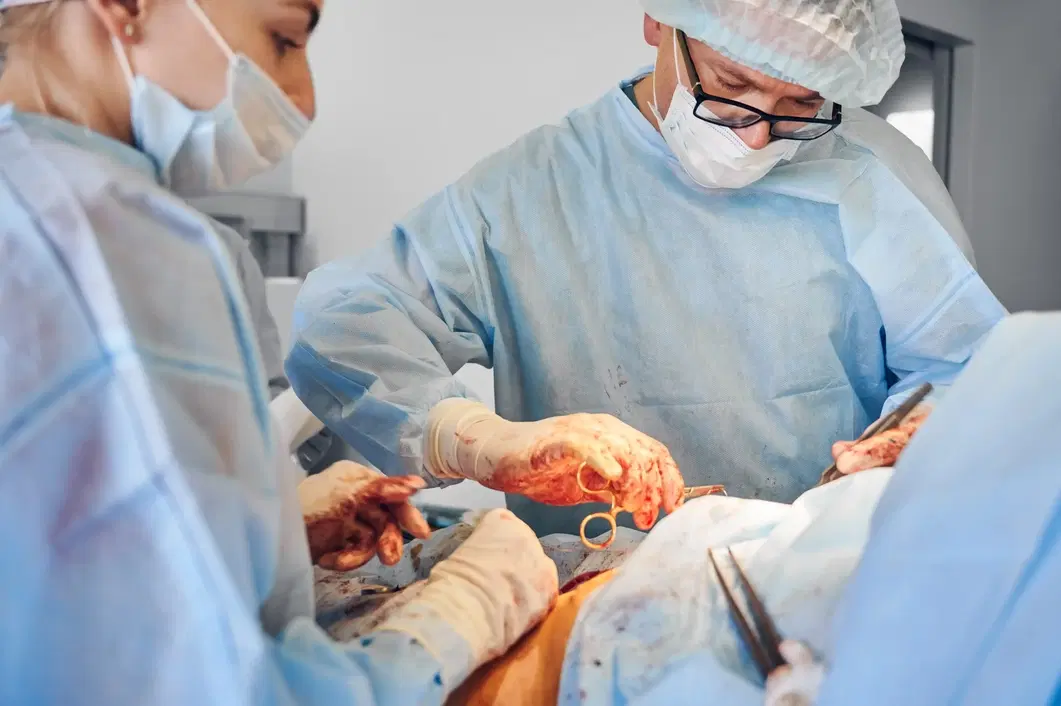
Gastrointestinal / oncological surgery in Turkey covers operations for selected cancers of the digestive system and related abdominal organs. Procedures can involve the esophagus, stomach, colon, rectum, liver, pancreas, or other gastrointestinal structures. Surgery may occur before or after systemic treatment or radiotherapy. Resectability, surgical margins, lymph-node assessment, and postoperative pathology can change the overall treatment pathway.
What Does Gastrointestinal / Oncological Surgery in Turkey Include?
Gastrointestinal oncological surgery includes operations designed to remove, stage, reconstruct, or manage selected digestive-system cancers. The responsible specialty can vary according to the affected organ and operation. Procedures may involve partial organ removal, complete organ removal, lymph-node assessment, or reconstruction of digestive continuity. Some patients require surgery alone for localized disease. Others need medical oncology or radiation oncology before or after surgery. Turkish public gastroenterological surgery centers document treatment of malignant gastrointestinal diseases within dedicated specialist services. An operation should therefore be considered within the complete cancer pathway rather than as an isolated technical procedure.
Which Cancers Can Require Gastrointestinal Oncological Surgery?
Gastrointestinal oncological surgery can treat several cancer types when disease stage, anatomy, and individual assessment support an operative approach.
Colorectal cancer: Surgery can remove affected bowel segments and regional lymph nodes in appropriate disease stages.
Stomach cancer: Treatment can involve partial or total gastrectomy with appropriate lymph-node assessment.
Pancreatic cancer: Resectable tumors can require pancreatic operations chosen according to tumor location and anatomy.
Esophageal cancer: Selected localized cancers can involve esophageal resection within a multidisciplinary treatment plan.
Other abdominal cancers: Selected liver, biliary, gastrointestinal stromal, and peritoneal tumors can require specialist surgery.
The diagnosis alone does not establish whether surgery should occur first or at all.
What Does “Resectable” Mean Before Gastrointestinal Cancer Surgery?
Resectable generally means specialists believe the cancer can be surgically removed within an appropriate oncological treatment plan. The assessment is disease-specific rather than a universal definition. Imaging helps evaluate tumor location, nearby vessels, surrounding organs, lymph nodes, and distant disease. Pancreatic cancer illustrates why this terminology matters. NCI separates resectable and borderline-resectable pancreatic disease within its treatment framework. Borderline anatomy can lead to treatment before an operation. A tumor described as technically operable therefore does not always require immediate surgery. Multidisciplinary review can also change resectability assessment after additional imaging, pathology review, or systemic treatment.
Why Can Treatment Before Surgery Change a Gastrointestinal Cancer Operation?
Neoadjuvant treatment can change surgical planning by treating cancer before the proposed gastrointestinal operation. Chemotherapy, radiotherapy, or combined treatment may be used according to the specific cancer. Current NCI guidance identifies total neoadjuvant therapy as preferred for most locally advanced rectal cancers without distant metastases. Borderline-resectable pancreatic cancer can also involve chemotherapy before surgery. Stomach cancer treatment can require multidisciplinary discussion about perioperative therapy around gastrectomy. These examples show why surgery should not automatically begin immediately after diagnosis. Treatment sequencing depends on tumor biology, stage, anatomical relationships, symptoms, and disease-specific evidence.
Why Do Surgical Margins and Lymph Nodes Matter After GI Cancer Surgery?
Surgical margins and lymph nodes matter because postoperative pathology can refine staging and influence further cancer treatment. A pathologist examines the removed specimen rather than judging the operation by incision size. A negative margin means cancer cells are not identified at the examined tissue edge. A positive margin means cancer reaches an examined resection edge. Removed lymph nodes are also checked for cancer cells when nodal assessment applies. These findings can affect discussions about chemotherapy, radiotherapy, further surgery, or surveillance. The final pathology report therefore provides information that preoperative imaging cannot completely reproduce. Patients should retain the complete report.
Is Robotic or Laparoscopic Surgery Appropriate for Every Gastrointestinal Cancer?
No, robotic or laparoscopic surgery is not automatically appropriate for every gastrointestinal cancer operation. Minimally invasive access changes how surgeons reach the treatment area. It does not change fundamental oncological requirements involving resection, margins, lymph nodes, and safe reconstruction. Open surgery can remain appropriate when tumor extent, anatomy, previous operations, or reconstruction requirements favor direct access. Selected Turkish public gastroenterological surgery centers document laparoscopic and robotic operations for stomach, colon, rectal, and pancreatic cancers. Availability differs between hospitals. Patients should therefore ask why a proposed approach fits their cancer rather than selecting surgery primarily by technology name.
Can a Stoma Be Temporary After Colorectal Cancer Surgery?
Yes, a stoma can be temporary or permanent depending on the colorectal operation and individual anatomy. A temporary stoma can divert intestinal contents while a bowel connection heals. It may later be reversed when clinical conditions allow. Permanent colostomy can become necessary when reconstruction cannot preserve a suitable route through the anus. NCI specifically notes that some rectal cancer colostomies are temporary, while others remain permanent after complete rectal removal. Patients should therefore clarify the planned stoma before surgery. The discussion should include reversal possibility, timing considerations, stoma care, and follow-up after returning home.
What Should International Patients Prepare Before GI Cancer Surgery in Turkey?
International patients should provide complete diagnostic and treatment information before arranging gastrointestinal oncological surgery in Turkey.
Provide pathology reports, biopsy results, and relevant molecular or biomarker findings.
Send recent CT, MRI, PET-CT, endoscopy, and endoscopic ultrasound records when applicable.
Provide original imaging files rather than relying only on written radiology reports.
Include previous chemotherapy, immunotherapy, radiotherapy, surgery, and operative pathology records.
List medicines, anticoagulants, allergies, nutritional concerns, previous abdominal operations, and significant medical conditions.
The receiving team should determine additional staging, anesthesia, nutritional, or specialist assessments before international travel whenever practical.
How Can International Patients Verify a GI Oncology Surgery Provider in Turkey?
International patients can verify health-tourism authorization through current records published by Turkey's Ministry of Health. The authorized-provider page is dated July 28, 2026. Authorization confirms regulatory eligibility for international health-tourism services. It does not confirm expertise in every gastrointestinal cancer operation or guarantee an outcome. Patients should separately confirm the required surgical service and multidisciplinary support. Specified authorized hospitals must complete TÜSKA accreditation requirements by December 31, 2026. Current Turkish promotion rules also prohibit overt or covert healthcare advertising. Regulatory status, clinical suitability, and treatment outcomes should therefore remain separate considerations.
Gastrointestinal / Oncological Surgery in Turkey Cost 2026: What Affects the Total Cost?
Gastrointestinal / oncological surgery in Turkey has no single 2026 cost because each cancer pathway has different clinical requirements. This page therefore provides no fixed treatment price. Costs can depend on the affected organ, operation complexity, surgical access, anesthesia, pathology, and hospitalization. Lymph-node procedures, stoma creation, reconstruction, intensive care, or additional imaging can change requirements. Treatment before or after surgery can also create separate oncology costs. Complications and extended follow-up may further affect the financial plan. International patients should request an individualized written quotation after clinical review, with included services and exclusions clearly identified.
This content provides general medical information and does not recommend a particular operation, technique, healthcare provider, or clinical outcome. Gastrointestinal cancer surgery requires individualized multidisciplinary assessment.
Last updated: August 14, 2026
Sources
https://www.cancer.gov/about-cancer/diagnosis-staging/diagnosis/pathology-reports-fact-sheet
https://www.cancer.gov/types/colorectal/patient/colon-treatment-pdq
https://www.cancer.gov/types/colorectal/patient/rectal-treatment-pdq
https://www.cancer.gov/types/colorectal/hp/rectal-treatment-pdq
https://www.cancer.gov/types/stomach/hp/stomach-treatment-pdq
https://www.cancer.gov/types/stomach/treatment
https://www.cancer.gov/types/pancreatic/hp/pancreatic-treatment-pdq
https://www.cancer.gov/types/esophageal/hp/esophageal-treatment-pdq
https://etliksehir.saglik.gov.tr/TR-1031782/klinik-hakkinda.html
https://etliksehir.saglik.gov.tr/TR-828474/klinik-hakkinda.html
https://umraniyeah.saglik.gov.tr/TR-88170/genel-cerrahi.html
https://shgmturizmdb.saglik.gov.tr/EN-69289/healthcare-providers-with-international-health-tourism-authorization-certificates.html
https://shgmturizmdb.saglik.gov.tr/EN-108974/regulation-on-international-health-tourism-and-tourist-health.html
https://shgmturizmdb.saglik.gov.tr/TR-117812/saglik-turizmi-yetki-belgesine-sahip-saglik-tesislerinin-dikkatine.html
https://antalyaism.saglik.gov.tr/TR-366500/saglik-hizmetlerinde-tanitim-ve-bilgilendirme--faaliyetleri-hakkinda-yonetmelik.html