

Liver Cancer
Liver Cancer: What Should Be Checked Before Symptoms Become Advanced?
Liver cancer can begin in the liver before specific symptoms appear. This page explains early warning signs, cirrhosis-related risk, hepatitis, AFP testing, imaging, biopsy, staging, liver function, and treatment planning. It also highlights verifiable details many pages miss.
What Is Liver Cancer?
Liver cancer is cancer that starts in the liver, most commonly as hepatocellular carcinoma. The liver also receives cancer spread from other organs, but that is not primary liver cancer. Primary liver cancer begins in liver tissue itself. Hepatocellular carcinoma often develops in people with long-term liver disease. Cholangiocarcinoma starts in bile duct cells and follows a different pathway. This distinction matters because diagnosis, staging, and treatment planning can differ. Doctors evaluate tumor type, liver condition, spread, symptoms, and overall health together. A single label cannot describe every liver cancer case.
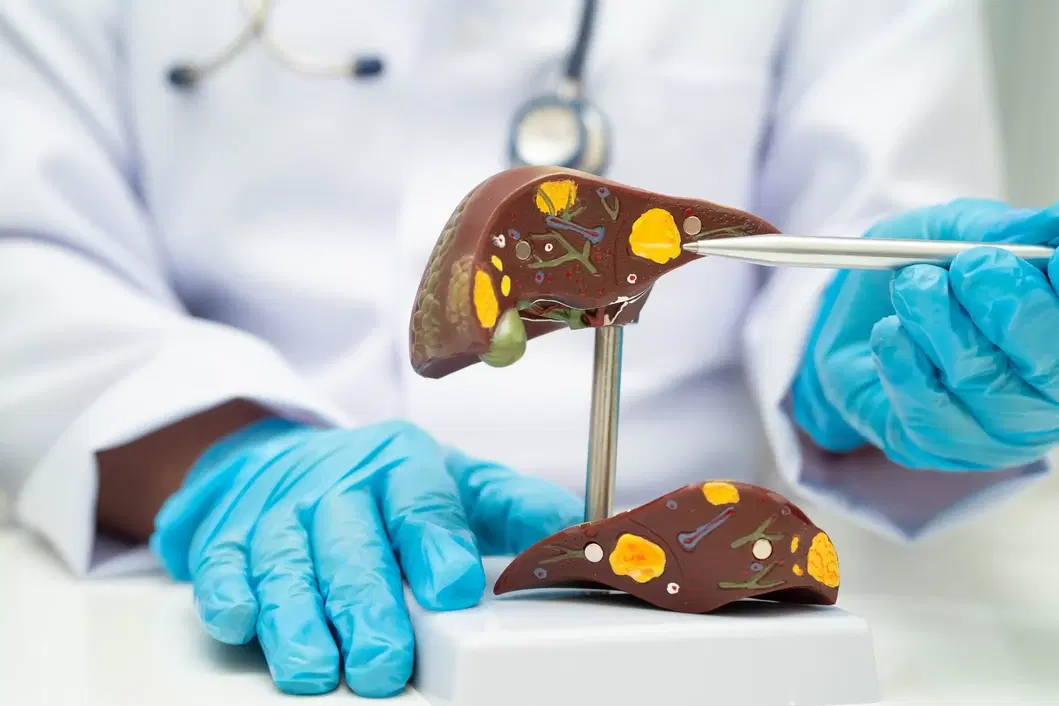
Why Can Liver Cancer Develop Without Clear Symptoms?
Liver cancer can develop silently because the liver may keep working despite early tumor growth. Small tumors may not cause pain, jaundice, or digestive symptoms. People with chronic liver disease may also have existing fatigue or abdominal discomfort. These background symptoms can hide new changes. Some patients first detect risk during routine surveillance. Others seek care after swelling, weight loss, or jaundice appears. Lack of symptoms does not exclude liver cancer in high-risk groups. Medical evaluation should consider liver disease history, hepatitis status, alcohol exposure, metabolic risk, and imaging findings.
Which Liver Cancer Symptoms Should Prompt Medical Evaluation?
Jaundice, abdominal swelling, unexplained weight loss, or right upper abdominal pain should prompt medical evaluation.
Yellow skin, dark urine, or pale stool may suggest bile flow problems.
Abdominal swelling, leg swelling, or easy bruising may reflect liver dysfunction.
Loss of appetite, nausea, fatigue, or weight loss can develop gradually.
Right shoulder pain or upper abdominal pain may need assessment.
These symptoms do not always mean liver cancer. Cirrhosis, hepatitis, gallbladder disease, and infections may cause similar findings. Persistent or worsening symptoms need clinical review.
Who Needs Liver Cancer Surveillance?
People with cirrhosis or selected chronic hepatitis B risks may need liver cancer surveillance. Surveillance means planned testing before symptoms appear. It is different from testing after a new complaint. Many liver cancer pages mention symptoms but understate this preventive pathway. Doctors often consider ultrasound with AFP for at-risk patients. The exact plan depends on liver disease cause, imaging quality, hepatitis status, age, family history, and local guidance. Surveillance does not guarantee prevention or early diagnosis. It helps clinicians look for cancer at planned intervals in higher-risk groups.
Which Risk Factors Matter Most for Liver Cancer?
Long-term liver damage and chronic viral hepatitis are major risk factors for liver cancer.
Cirrhosis can follow hepatitis, alcohol-related liver disease, or metabolic liver disease.
Chronic hepatitis B can increase risk even without established cirrhosis.
Chronic hepatitis C, especially with cirrhosis, can raise long-term risk.
Obesity, diabetes, and fatty liver disease may contribute to risk.
Risk factors do not confirm cancer. They help doctors decide who may need surveillance, imaging, blood tests, or specialist care.
Why Is AFP Not Enough to Diagnose Liver Cancer?
AFP is not enough alone because liver cancer can occur with normal AFP levels. AFP can also rise from non-cancer liver inflammation and other cancers. Doctors therefore interpret AFP with imaging, liver disease history, and clinical findings. A rising AFP may increase concern in some settings. A normal AFP does not safely exclude liver cancer. This is a key detail many basic pages miss. AFP works better as part of a risk-based pathway. It should not replace imaging, specialist assessment, or appropriate follow-up when suspicion remains.
How Do Imaging and Biopsy Help Confirm Liver Cancer?
Imaging can sometimes confirm liver cancer, while biopsy helps when imaging cannot answer clearly. Multiphasic CT or MRI can show blood flow patterns typical for hepatocellular carcinoma. In selected high-risk patients, these patterns may support diagnosis without biopsy. However, biopsy may be needed when imaging is uncertain. It may also help when the patient lacks cirrhosis or chronic hepatitis B. Tissue testing can identify tumor type and support treatment planning. Doctors balance diagnostic value with bleeding risk and liver condition. This process connects surveillance findings to safer clinical decisions.
Why Does Liver Function Change the Treatment Plan?
Liver function changes the treatment plan because treatment must protect remaining liver capacity. Liver cancer often appears in a liver already damaged by cirrhosis. Tumor size alone does not show whether surgery is suitable. Doctors also review bilirubin, clotting, albumin, portal hypertension, ascites, and performance status. Some patients may tolerate resection. Others may need ablation, embolization, transplant assessment, systemic therapy, or supportive care. This is another detail many competitor pages miss. A treatment that seems logical for the tumor may not suit the liver.
Which Treatment Options May Be Discussed for Liver Cancer?
Treatment options may include resection, ablation, transplant assessment, embolization, systemic therapy, or supportive care. The plan depends on tumor burden, liver function, spread, symptoms, and general health. Surgery may be discussed when the tumor appears removable and liver reserve is adequate. Transplant assessment may be considered in selected cases with suitable tumor and liver factors. Ablation or embolization may treat selected localized disease. Advanced disease may involve targeted therapy, immunotherapy, or symptom-focused care. A specialist team should explain goals, limits, alternatives, side effects, and follow-up.
When Should Medical Advice Not Be Delayed?
Medical advice should not be delayed when jaundice, swelling, bleeding, confusion, or severe pain appears. These signs may reflect liver dysfunction, bile obstruction, infection, or advanced disease. People with cirrhosis should also avoid waiting for symptoms before follow-up. Missed surveillance can delay evaluation in higher-risk patients. Anyone with chronic hepatitis should discuss monitoring and treatment needs with a clinician. Online information cannot diagnose liver cancer or exclude it safely. A doctor can connect symptoms, liver history, examination findings, blood tests, and imaging results.
References
CDC — Liver Cancer Basics: https://www.cdc.gov/liver-cancer/about/
National Cancer Institute — Liver Cancer Diagnosis: https://www.cancer.gov/types/liver/what-is-liver-cancer/diagnosis
National Cancer Institute — Liver Cancer Treatment: https://www.cancer.gov/types/liver/what-is-liver-cancer/treatment
National Cancer Institute — Primary Liver Cancer Treatment PDQ: https://www.cancer.gov/types/liver/hp/adult-liver-treatment-pdq
AASLD — Practice Guidance on Prevention, Diagnosis, and Treatment of Hepatocellular Cancer: https://pmc.ncbi.nlm.nih.gov/articles/PMC10663390/
AASLD — Management of Hepatocellular Carcinoma: https://www.aasld.org/practice-guidelines/management-hepatocellular-carcinoma
American College of Radiology — LI-RADS US Surveillance Version 2024: https://pubs.rsna.org/doi/full/10.1148/radiol.240169
T.C. Sağlık Bakanlığı — Sağlık Hizmetlerinde Tanıtım ve Bilgilendirme Faaliyetleri Hakkında Yönetmelik: https://www.saglik.gov.tr/TR,96807/saglik-hizmetlerinde-tanitim-ve-bilgilendirme-faaliyetleri-hakkinda-yonetmelik-yayimlandi.html
T.C. Sağlık Bakanlığı — Güncel Tanıtım ve Bilgilendirme Yönetmeliği Duyurusu: https://antalyaism.saglik.gov.tr/TR-366500/saglik-hizmetlerinde-tanitim-ve-bilgilendirme--faaliyetleri-hakkinda-yonetmelik.html