

PET-CT
PET-CT in Turkey
PET-CT in Turkey combines metabolic imaging with CT anatomy to support cancer evaluation, staging, treatment planning, and follow-up. This page explains when PET-CT may be used, how FDG works, why preparation matters, and why results need specialist interpretation. It also highlights verifiable points many pages miss.
What Is PET-CT?
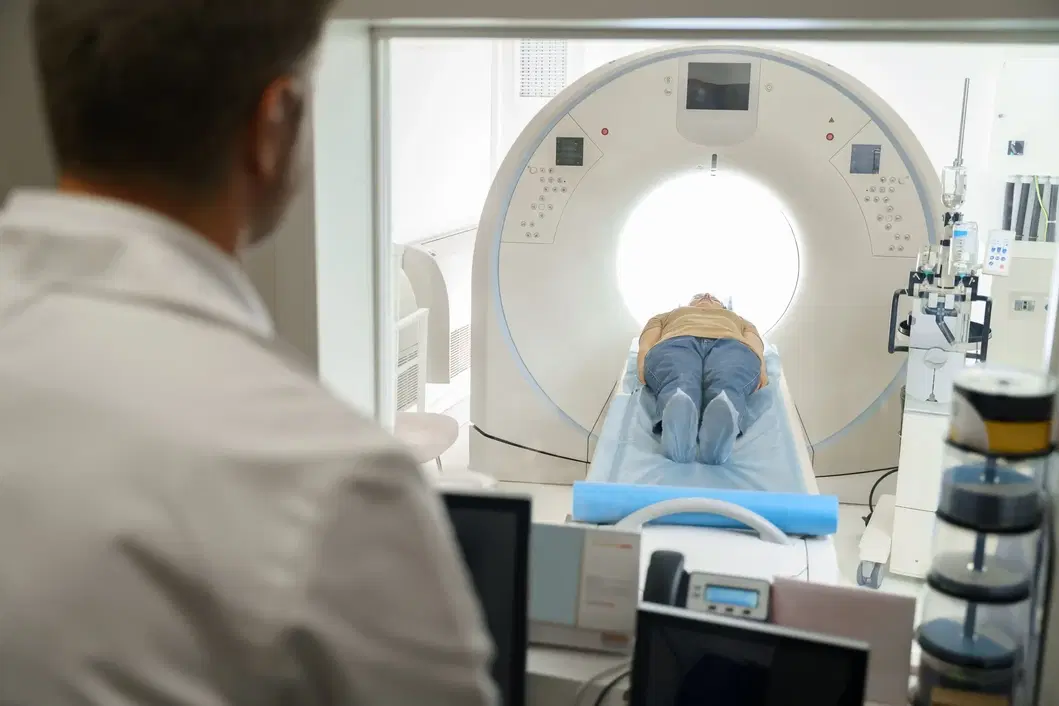
PET-CT is an imaging test that combines a PET scan with a CT scan in one session. PET shows metabolic activity by tracking a radioactive tracer. CT shows body structures and helps locate abnormal uptake. The most common oncology tracer is FDG, a glucose-like substance. Cells with higher glucose use may show stronger uptake. Cancer can do this, but infection and inflammation can also do this. PET-CT therefore needs clinical context. Doctors interpret it with symptoms, previous scans, pathology, treatment history, and the suspected cancer type.
When Is PET-CT Used in Cancer Care?
PET-CT may be used when metabolic imaging can answer a specific clinical question. Doctors may request it for staging, recurrence assessment, response evaluation, or radiotherapy planning. It can also help find disease sites not clear on other imaging. PET-CT is not automatically useful for every cancer or every stage. Some tumors show low FDG uptake. Some clinical situations need MRI, CT, ultrasound, endoscopy, or biopsy instead. The request should match the diagnosis and treatment question. This prevents unnecessary scans and supports clearer care planning.
Which Questions Should Patients Ask Before PET-CT?
Patients should ask why PET-CT is needed and how the result may change care planning.
Which cancer type or clinical question is the scan evaluating?
Will the CT part use contrast, low-dose CT, or diagnostic CT?
Should diabetes medicines, metformin, insulin, or fasting be adjusted?
Will the report and DICOM images be available for the treating doctor?
These questions make the scan pathway more transparent. They also help avoid confusion after the report. The referring doctor should explain the purpose and next step.
Why Is FDG PET-CT Not the Same for Every Cancer?
FDG PET-CT is not the same for every cancer because tumors use glucose differently. Some aggressive tumors show strong FDG uptake. Some well-differentiated or slow-growing tumors may show less uptake. Brain tissue normally uses glucose heavily, which can limit some brain evaluations. Urinary tracer excretion can affect pelvic interpretation. Mucinous tumors, some prostate cancers, and selected neuroendocrine tumors may need different imaging strategies. This detail is often missing from basic pages. A negative FDG PET-CT does not always exclude cancer. The result must match tumor biology and clinical suspicion.
How Should Patients Prepare for PET-CT?
Patients usually prepare for PET-CT by fasting and following glucose-control instructions. Many FDG protocols ask patients to avoid food for several hours before injection. Water is usually allowed unless the center gives different instructions. Strenuous exercise before the scan may increase muscle uptake and affect interpretation. Diabetic patients need individualized instructions about insulin, oral medicines, and scan timing. Pregnancy or breastfeeding possibility should be reported before the appointment. If contrast CT is planned, kidney function and allergy history may matter. The imaging center should give patient-specific preparation instructions.
Why Can Blood Sugar Affect PET-CT Images?
Blood sugar can affect PET-CT because FDG competes with glucose inside the body. High insulin levels can increase tracer uptake in muscles and fat. This may reduce image clarity for some questions. Hyperglycemia can also influence how tumors and normal tissues take up FDG. For this reason, centers often check glucose before FDG injection. Diabetes does not automatically prevent PET-CT. It does require planning. Patients should not change insulin or diabetes medicines without medical instructions. Good preparation helps the scan answer the intended clinical question more clearly.
What Can Cause False-Positive or False-Negative PET-CT Findings?
False findings can occur because FDG uptake reflects metabolism, not cancer alone.
Infection, inflammation, healing tissue, or recent surgery can increase uptake.
Recent radiation or chemotherapy can change tissue activity patterns.
Small lesions may fall below PET resolution and appear less visible.
Some tumor types naturally show low or variable FDG uptake.
This is one of the most important missing points on competitor pages. A PET-CT report should not be read without the full medical context.
How Are PET-CT Results Interpreted?
PET-CT results are interpreted by connecting tracer uptake with CT findings and clinical information. The report may describe lesion location, size, uptake intensity, and comparison with previous scans. SUV values can support interpretation, but they do not diagnose cancer alone. A high SUV can appear in inflammation. A lower SUV can appear in some cancers. Radiologists and nuclear medicine physicians consider scan quality, glucose level, tracer timing, and treatment history. The referring doctor then relates the report to pathology and care goals. Further imaging or biopsy may be needed.
What Documents Should International Patients Bring?
International patients should bring complete medical records so PET-CT answers the correct question. Previous CT, MRI, PET-CT, ultrasound, pathology, blood tests, surgery notes, and treatment summaries help comparison. DICOM image files are more useful than screenshots or printed pictures. Pathology reports can clarify tumor type and biomarkers. Medication lists help the team plan contrast and diabetes preparation. Translation may be needed when documents are not in a language the care team can review. This practical step often improves coordination. It also helps avoid repeated or poorly targeted imaging.
How Does PET-CT Fit With Biopsy and Treatment Decisions?
PET-CT supports treatment decisions, but it does not replace biopsy when tissue confirmation is needed. Imaging can suggest where disease may be active. It may also help choose a biopsy site in selected cases. However, pathology defines cancer type, grade, and many biomarkers. Treatment decisions often need both imaging and tissue information. PET-CT can also guide radiotherapy planning or response assessment in defined settings. Timing matters after chemotherapy, surgery, or radiation. Scanning too soon may create confusing inflammatory findings. The treating team should choose timing based on the clinical question.
What Should Patients Know About PET-CT in Turkey Cost 2026?
PET-CT in Turkey Cost 2026 can vary by patient needs, protocol, tracer, and clinical context. A reliable cost explanation should not use cheapness claims or savings comparisons. The final amount may depend on FDG or another tracer, contrast use, report requirements, previous scan review, and extra imaging needs. Diabetes planning, kidney checks, translation, or coordination services may also affect the process. Patients should request written, patient-specific information before travel or booking. Prices should not be presented as medical encouragement. The clinical need for PET-CT should come before any cost discussion.
Which Turkey-Specific Legal Points Matter?
Turkey-specific promotion rules require health information to stay factual, transparent, and non-misleading. Health service promotion should not create demand through guarantees, superiority claims, pressure, or unsupported outcomes. International health tourism services also involve authorization rules for facilities and intermediary organizations. Patients can ask whether the provider is authorized for international health tourism. They should also request clear information about scope, reporting, interpreter support, privacy, and follow-up communication. This page therefore avoids price promises, success claims, and comparative savings language. Medical suitability must be assessed by qualified professionals.
When Should PET-CT Be Reconsidered or Delayed?
PET-CT may need reconsideration or delay when preparation, pregnancy status, glucose control, or timing is unsuitable. Possible pregnancy or breastfeeding should be discussed before tracer injection. Very recent surgery, infection, radiation, or chemotherapy may affect interpretation. Poor glucose control may require rescheduling or protocol adjustment. Severe illness, inability to lie still, or contrast-related kidney concerns may change the plan. This does not mean PET-CT is inappropriate for every such patient. It means the team should individualize the decision. The scan should answer a useful question at the right time.
References
RadiologyInfo — PET/CT: Positron Emission Tomography/Computed Tomography: https://www.radiologyinfo.org/en/info/pet
National Cancer Institute — Tests and Procedures Used to Diagnose Cancer: https://www.cancer.gov/about-cancer/diagnosis-staging/diagnosis
National Cancer Institute — Cancer Imaging Basics: https://dctd.cancer.gov/research/research-areas/imaging/basics
American Cancer Society — PET Scan for Cancer: https://www.cancer.org/cancer/diagnosis-staging/tests/imaging-tests/nuclear-medicine-scans-for-cancer/pet-scan.html
EANM — FDG PET/CT Procedure Guidelines for Tumour Imaging, Version 2.0: https://pmc.ncbi.nlm.nih.gov/articles/PMC4315529/
SNMMI/EANM — Pediatric 18F-FDG PET/CT Oncology Guideline: https://pmc.ncbi.nlm.nih.gov/articles/PMC8679588/
RadiologyInfo — CT Safety During Pregnancy: https://www.radiologyinfo.org/en/info/safety-ct-pregnancy
T.C. Sağlık Bakanlığı — Regulation on International Health Tourism and Tourist Health: https://shgmturizmdb.saglik.gov.tr/EN-108974/regulation-on-international-health-tourism-and-tourist-health.html
T.C. Sağlık Bakanlığı — Health Tourism Regulations: https://shgmturizmdb.saglik.gov.tr/EN-107627/regulations.html
T.C. Sağlık Bakanlığı — Sağlık Hizmetlerinde Tanıtım ve Bilgilendirme Faaliyetleri Hakkında Yönetmelik: https://antalyaism.saglik.gov.tr/TR-366500/saglik-hizmetlerinde-tanitim-ve-bilgilendirme--faaliyetleri-hakkinda-yonetmelik.html