

Biopsy
Biopsy in Turkey
Biopsy in Turkey means taking tissue or cell samples to clarify a medical finding, often after imaging, examination, or laboratory tests. This page explains biopsy types, image guidance, preparation, pathology reports, sample adequacy, second opinions, molecular testing, risks, and follow-up. It highlights verifiable details many pages miss. A biopsy does not always mean cancer.
What Is a Biopsy?
A biopsy is a procedure that removes tissue or cells for medical examination. Doctors use biopsy when they need direct evidence from an abnormal area. A pathologist examines the sample under a microscope. The report may identify cancer, inflammation, infection, benign growths, or other changes. Biopsy can involve a needle, endoscope, skin punch, surgery, bone marrow sampling, or fluid testing. The method depends on the organ, lesion depth, imaging findings, bleeding risk, and clinical question. A biopsy result should always be interpreted with symptoms, imaging, laboratory tests, and medical history.
When Is Biopsy Used in Diagnosis?
Biopsy is used when tissue information can confirm or clarify a suspected diagnosis. Imaging may show a mass, nodule, thickening, or abnormal lymph node. Blood tests or tumor markers may raise concern, but they usually cannot define tissue type alone. Endoscopy may show an abnormal surface that needs sampling. Some infections and inflammatory diseases also require biopsy. Doctors choose the safest useful target before sampling. They may avoid biopsy when imaging clearly suggests another plan. The purpose should be specific. A good request explains what the result may change in care planning.
Which Questions Should Patients Ask Before Biopsy?
Patients should ask why the biopsy is needed and how the result may change care.
Which lesion, organ, or lymph node will be sampled?
Will ultrasound, CT, MRI, endoscopy, or another guidance method be used?
Should blood thinners, diabetes medicines, or fasting instructions be adjusted?
Will enough tissue be collected for pathology and possible biomarker testing?
These questions reduce confusion before the procedure. They also help international patients understand preparation, reporting, and follow-up steps.
How Are Biopsy Types Different?
Biopsy types differ by how much sample they collect and where the target sits. Fine needle aspiration collects cells through a thin needle. Core needle biopsy collects a small tissue cylinder. Excisional biopsy removes an entire abnormal area when suitable. Incisional biopsy removes part of a larger lesion. Endoscopic biopsy samples tissue from inside organs such as the stomach, colon, lung, or bladder. Bone marrow biopsy checks blood-forming tissue. Liquid biopsy analyzes blood or body fluid, but it does not replace tissue biopsy in every case. The chosen method should match the diagnostic question.
Why Is Image Guidance Important for Some Biopsies?
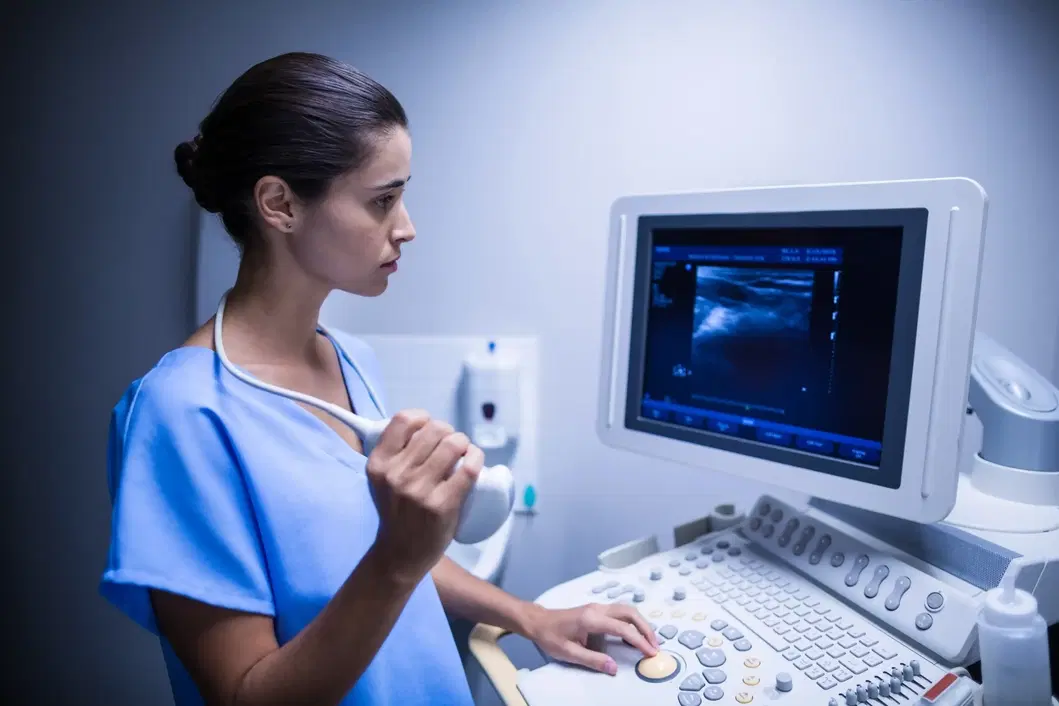
Image guidance helps doctors reach deeper or smaller targets more accurately. Ultrasound can guide many thyroid, breast, liver, lymph node, and soft tissue biopsies. CT can help when the target sits deeper in the chest, abdomen, pelvis, or bone. MRI guidance may be used in selected breast or prostate settings. Guidance can help avoid nearby vessels, organs, or nerves. It does not remove all risk. It supports planning and sample targeting. The radiology or procedural team chooses guidance according to lesion visibility, location, patient safety, and available expertise.
What Should Patients Tell the Biopsy Team?
Patients should tell the biopsy team about medicines, bleeding risk, allergies, pregnancy possibility, and previous records.
Blood thinners, aspirin, supplements, or clotting disorders may affect planning.
Allergies to medicines, antiseptics, latex, or contrast should be reported.
Pregnancy possibility matters when X-ray or CT guidance may be used.
Previous imaging, reports, pathology, and operation notes can guide targeting.
This information helps the team adjust timing, anesthesia, imaging guidance, observation, and aftercare. Patients should not change medicines without instructions.
Why Does Sample Adequacy Matter?
Sample adequacy matters because a biopsy must contain enough useful tissue for the question. A small or damaged sample can limit diagnosis. Necrotic tissue, blood, crush artifact, or sampling from the wrong area can reduce value. Some cancers need extra tissue for immunohistochemistry or molecular testing. A result called “non-diagnostic” does not prove the area is harmless. It means the sample did not answer the question. This detail is often missing from competitor pages. Doctors may recommend repeat biopsy, different guidance, surgery, imaging follow-up, or another diagnostic path.
How Does the Pathology Report Guide Next Steps?
The pathology report guides next steps by describing what the sampled cells or tissue show. It may include diagnosis, tumor type, grade, margins, invasion, necrosis, lymphovascular invasion, or special stains. Some reports remain preliminary until additional tests finish. Immunohistochemistry can help identify tumor origin or cell type. Molecular results may appear later as a separate report. The treating doctor should explain what is final, pending, uncertain, or limited. A pathology report should not be read as an isolated document. It works best with imaging, examination findings, and the clinical question.
Why Are Slides, Blocks, and DICOM Images Important?
Slides, paraffin blocks, and DICOM images are important for review, comparison, and second opinion. A written pathology report summarizes findings, but another pathologist may need the actual slides. Paraffin blocks may contain tissue for additional staining or molecular tests. DICOM images show the scan used to locate the lesion. Screenshots and printed pictures are less useful for detailed review. This practical step is often missing from basic pages. International patients should ask how records can be released. They should also ask whether tissue remains available after required testing.
When Can Molecular or Biomarker Testing Be Needed?
Molecular or biomarker testing may be needed when tumor biology can affect treatment planning. Some cancers require tests for gene changes, protein expression, mismatch repair, hormone receptors, or other markers. These tests may use biopsy tissue, surgical tissue, blood, or bone marrow depending on cancer type. Tissue quality and quantity matter. A biopsy planned without enough tissue may delay later testing. A biomarker result does not guarantee response to any treatment. It helps clinicians consider suitable options and avoid unsuitable ones. Results should be interpreted with pathology, stage, symptoms, and health status.
What Risks and Aftercare Should Patients Understand?
Biopsy risks depend on the organ, technique, guidance method, and patient health. Common concerns include pain, bruising, bleeding, infection, fainting, or temporary soreness. Lung biopsy can carry a risk of air leak around the lung. Liver, kidney, and deep organ biopsies may need observation for bleeding. Endoscopic biopsies have different risks than skin biopsies. The team should explain warning signs before discharge. Patients should ask when to restart medicines and activities. Severe pain, fever, heavy bleeding, breathlessness, dizziness, or worsening swelling needs prompt medical contact.
Which Turkey-Specific Legal Points Matter?
Turkey-specific rules require biopsy service information to remain factual, transparent, and non-misleading. Health promotion should not create demand through guarantees, superiority claims, pressure, or unsupported outcome statements. International health tourism services also involve authorization rules for facilities and intermediary organizations. Patients may ask whether the provider is authorized for international health tourism. They should request clear information about procedure scope, pathology reporting, interpreter support, privacy, consent, record release, and follow-up communication. This page avoids price promises, comparative savings language, success claims, and unsupported technology superiority statements.
What Should Patients Know About Biopsy in Turkey Cost 2026?
Biopsy in Turkey Cost 2026 can vary by patient needs, biopsy type, guidance method, and pathology requirements. A responsible cost explanation should not use cheapness claims, savings comparisons, or pressure language. The final amount may depend on organ site, anesthesia, imaging guidance, contrast use, hospital observation, pathology stains, molecular testing, translation, and record transfer. Patients should request written, patient-specific information before booking or traveling. Prices should not be presented as a reason to undergo biopsy. The clinical indication, safety assessment, and expected diagnostic value should come before any cost discussion.
References
National Cancer Institute — Tests and Procedures Used to Diagnose Cancer: https://www.cancer.gov/about-cancer/diagnosis-staging/diagnosis
National Cancer Institute — Surgical Pathology Reports: https://www.cancer.gov/about-cancer/diagnosis-staging/diagnosis/pathology-reports-fact-sheet
National Cancer Institute — Biomarker Testing for Cancer Treatment: https://www.cancer.gov/about-cancer/treatment/types/biomarker-testing-cancer-treatment
National Cancer Institute — Tumor Marker Tests: https://www.cancer.gov/about-cancer/diagnosis-staging/diagnosis/tumor-markers-fact-sheet
American Cancer Society — Biopsy and Cytology Tests: https://www.cancer.org/cancer/diagnosis-staging/tests/biopsy-and-cytology-tests.html
American Cancer Society — How Is a Biopsy Done?: https://www.cancer.org/cancer/diagnosis-staging/tests/biopsy-and-cytology-tests/biopsy-types.html
American Cancer Society — How Is a Cytology Test Done?: https://www.cancer.org/cancer/diagnosis-staging/tests/biopsy-and-cytology-tests/cytology-types.html
RadiologyInfo — Biopsy Overview: https://www.radiologyinfo.org/en/info/BiopGen
College of American Pathologists — How to Read Your Pathology Report: https://www.cap.org/article/how-to-read-your-pathology-report/
ASCO — Circulating Tumor DNA Testing in Solid Tumors and Lymphoma: https://ascopubs.org/doi/abs/10.1200/OP-26-00311
T.C. Sağlık Bakanlığı — Regulation on International Health Tourism and Tourist Health: https://shgmturizmdb.saglik.gov.tr/EN-108974/regulation-on-international-health-tourism-and-tourist-health.html
T.C. Sağlık Bakanlığı — Health Tourism Regulations: https://shgmturizmdb.saglik.gov.tr/EN-107627/regulations.html
T.C. Sağlık Bakanlığı — Sağlık Hizmetlerinde Tanıtım ve Bilgilendirme Faaliyetleri Hakkında Yönetmelik: https://antalyaism.saglik.gov.tr/TR-366500/saglik-hizmetlerinde-tanitim-ve-bilgilendirme--faaliyetleri-hakkinda-yonetmelik.html